

Last updated: 26 November 2026
Quick answer: Pomegranates (anar) are a good source of fibre, vitamin C, vitamin K and folate, and are especially rich in antioxidant polyphenols such as punicalagins. Research suggests pomegranate juice may modestly lower blood pressure and help reduce markers of inflammation, but most studies are small. Eating the whole arils gives you more fibre than juice.
What nutrients are in a pomegranate?
| Nutrient (per 100 g arils) | Approximate amount |
|---|---|
| Calories | about 83 kcal |
| Carbohydrates | about 19 g (sugars about 14 g) |
| Fibre | about 4 g |
| Protein | about 1.7 g |
| Vitamin C | about 10 mg |
| Vitamin K | about 16 µg |
| Folate | about 38 µg |
| Potassium | about 236 mg |
Is pomegranate good for your heart and blood pressure?
It may help a little. Pomegranates contain polyphenols that support healthy blood vessels. Reviews of clinical trials suggest that drinking pomegranate juice can lower systolic blood pressure by a few points in some people. Studies are mostly small and short, so pomegranate should be seen as part of a heart-healthy diet, not a treatment.
What are the other benefits of pomegranate?
- Antioxidants: punicalagins and anthocyanins give pomegranate its strong antioxidant activity.
- Inflammation: some studies show lower inflammatory markers, though results vary.
- Digestion: the arils provide fibre, which supports regular digestion and gut bacteria.
- Exercise recovery: a few small studies suggest pomegranate extract may reduce muscle soreness.
- Brain and memory: early research is promising, but it is too soon for firm conclusions.
Whole fruit or juice: which is better?
| Form | Pros | Cons |
|---|---|---|
| Whole arils | Fibre, filling, lower sugar per serving | Takes time to open |
| 100% juice | Concentrated polyphenols; used in most studies | Little fibre, more sugar, more calories |
| Extracts and supplements | Convenient | Quality varies; can interact with medicines |
How do you open and eat a pomegranate?
- Cut off the crown and score the skin into sections.
- Break the fruit open in a bowl of water.
- Push out the arils with your fingers; the white pith floats and the seeds sink.
- Drain and eat the arils on their own, on yoghurt or oats, in salads or with rice dishes.
Who should be careful with pomegranate?
- People taking certain medicines: pomegranate juice may interact with some drugs, including blood thinners such as warfarin and some blood pressure medicines. Ask your doctor or pharmacist.
- People with diabetes: juice is high in natural sugar; whole arils in moderate portions are a better choice.
- Allergies: pomegranate allergy is uncommon but possible.
Key takeaways
- Pomegranates provide fibre, vitamins C and K, folate and strong antioxidants.
- Juice may modestly lower blood pressure, but evidence is limited.
- Whole arils are the best everyday choice.
- Check with a doctor if you take blood thinners or other regular medicines.
More health guides: benefits of beetroot and benefits of green tea.
Health note: This article is for general information only and is not medical advice. Talk to a doctor or registered dietitian before making major changes to your diet, especially if you take medication.
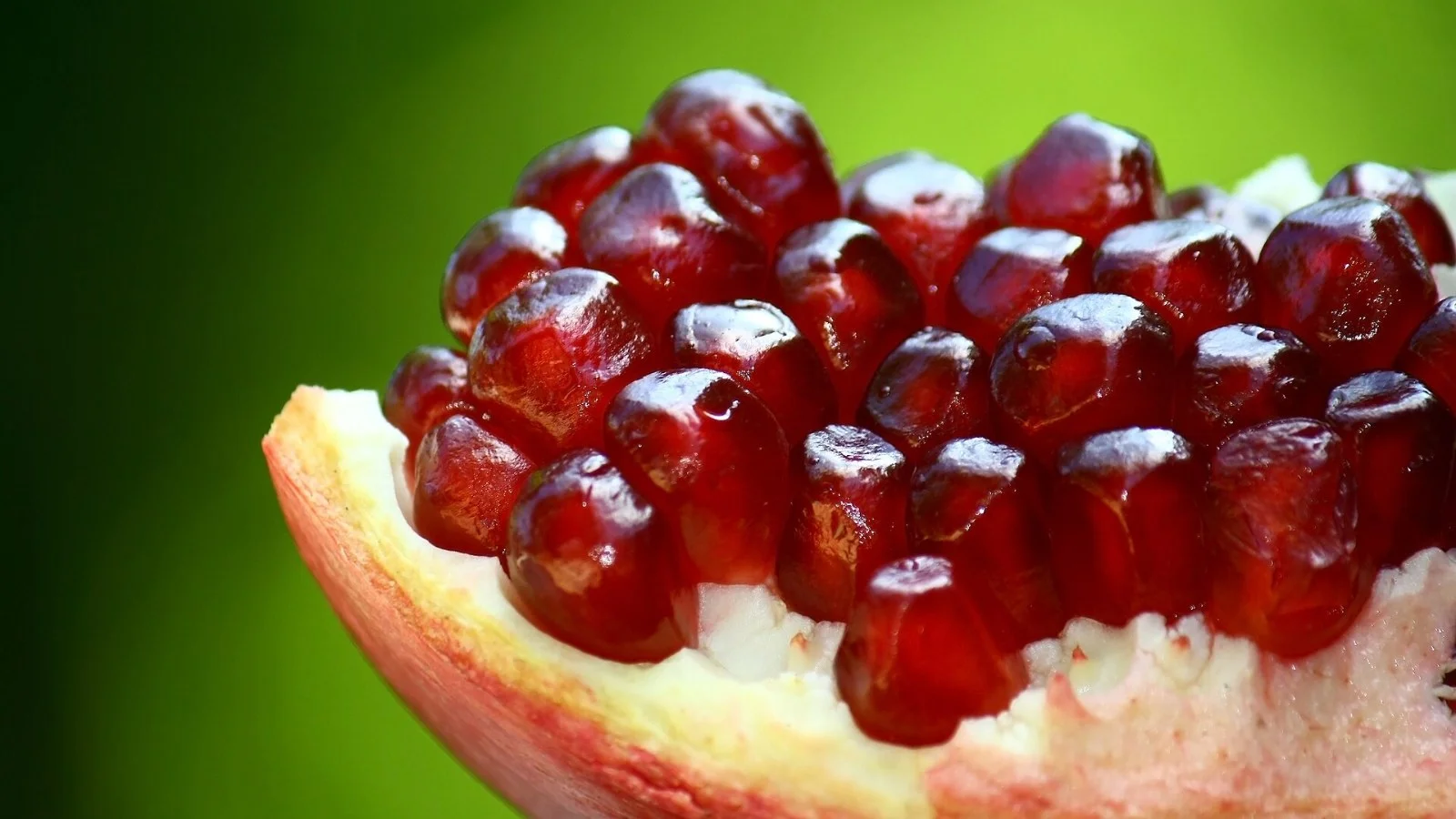
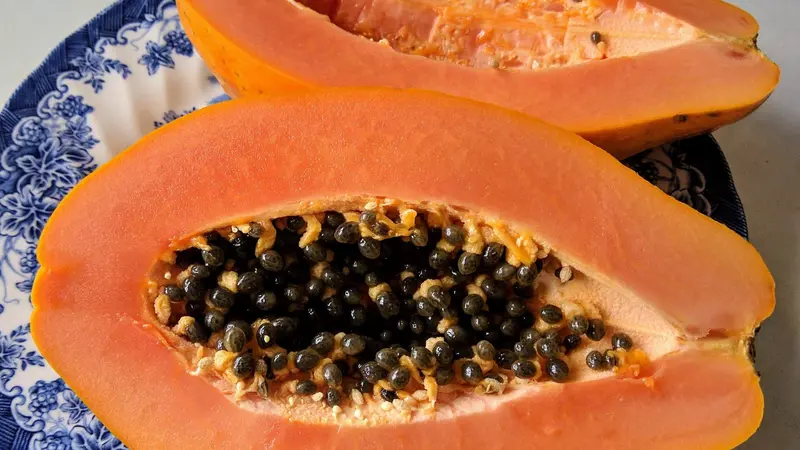
Featured image: "An opened pomegranate" by Anton Croos, CC BY-SA 4.0 (cropped), via Wikimedia Commons. Sources: USDA FoodData Central; published reviews and meta-analyses on pomegranate and blood pressure; NHS guidance on drug interactions.


















Comments 0
Leave a Comment
💬
No comments yet. Be the first to share your thoughts!