

This article is for general information only and is not medical advice. If you are pregnant, breastfeeding or take blood-thinning medicine, talk to your doctor before taking flaxseed regularly.
In short: Flaxseed (also called linseed, and alsi in Nepali and Hindi) is a small brown or golden seed rich in fibre, the plant omega-3 ALA, and plant compounds called lignans. It's a healthy addition to most diets, especially for digestion. Eat it ground, because whole seeds often pass through undigested.
What's in flaxseed?
- Fibre: both soluble and insoluble fibre, which help digestion and keep you full.
- Omega-3 (ALA): flaxseed is one of the richest plant sources of alpha-linolenic acid.
- Lignans: plant compounds with antioxidant activity. Flax is one of the richest food sources.
- Protein, magnesium and B vitamins in smaller amounts.
Benefits of flaxseed: what research shows
1. Digestion and regularity ?
Ground flaxseed is a traditional and popular way to add fibre and help with regular bowel movements. Drink plenty of water when you eat it.
2. Plant omega-3 for heart health ?? Promising
ALA from plant foods has been linked to a lower risk of heart disease, and flaxseed is often recommended as part of a heart-healthy diet. Some studies have looked at flaxseed and cholesterol or blood pressure, but results vary with the product and dose.
3. Weight management ?? Limited evidence
According to the US National Center for Complementary and Integrative Health (NCCIH), one clinical trial suggests flaxseed mucilage powder mixed with water might support weight loss in adults with overweight or obesity. Flaxseed oil and lignan extracts didn't seem to help.
4. Blood sugar ? More research needed
Some early research has looked at flaxseed for blood sugar control in type 2 diabetes and gestational diabetes, but more studies are needed before firm conclusions can be drawn.
Ground vs whole vs oil
- Ground (best for most people): easier for your body to absorb the nutrients. Buy it ground or grind it yourself in a spice grinder.
- Whole seeds: keep longer but often pass through undigested.
- Flaxseed oil: contains ALA but none of the fibre. Don't use it for high-heat cooking.
Storage tip: ground flaxseed can go rancid. Keep it in an airtight container in the fridge.
How much flaxseed should you eat?
A common amount is 1–2 tablespoons of ground flaxseed a day. Start with 1 teaspoon and increase slowly, drinking plenty of water, to avoid bloating.
Safety and side effects
- Never eat raw or unripe flaxseeds, which may contain potentially toxic compounds. Use mature seeds sold as food.
- Higher amounts may cause bloating, fullness and diarrhoea.
- Flaxseed might interact with blood thinners and anti-platelet medicines. Ask your doctor or pharmacist.
- Pregnancy: some studies suggest flaxseed may be possibly unsafe, though the evidence isn't conclusive. Check with your doctor first. Little is known about safety while breastfeeding.
- Take flaxseed a couple of hours apart from oral medicines, since the fibre could affect how they're absorbed.
Flaxseed vs chia seeds
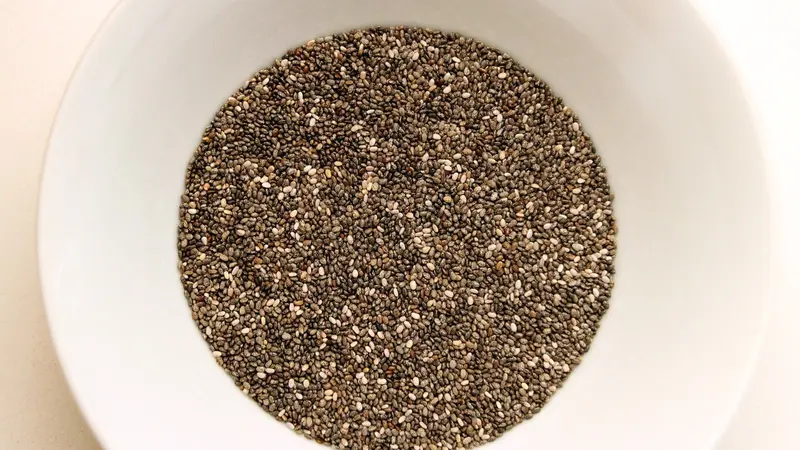
Both are excellent sources of fibre and plant omega-3. Flaxseed is richer in lignans and slightly higher in omega-3, while chia seeds have a little more fibre and don't need grinding. Using both is a great idea.
Easy ways to eat flaxseed
- Stir into oats, porridge, yoghurt or smoothies.
- Mix into roti or paratha dough, or into bread and muffin batter.
- Make traditional alsi ladoo, a popular winter snack in South Asia, in moderation.
- Make a "flax egg" for vegan baking: 1 tablespoon ground flax plus 3 tablespoons water.
Related: Benefits of chia seeds · Benefits of honey · Benefits of garlic.
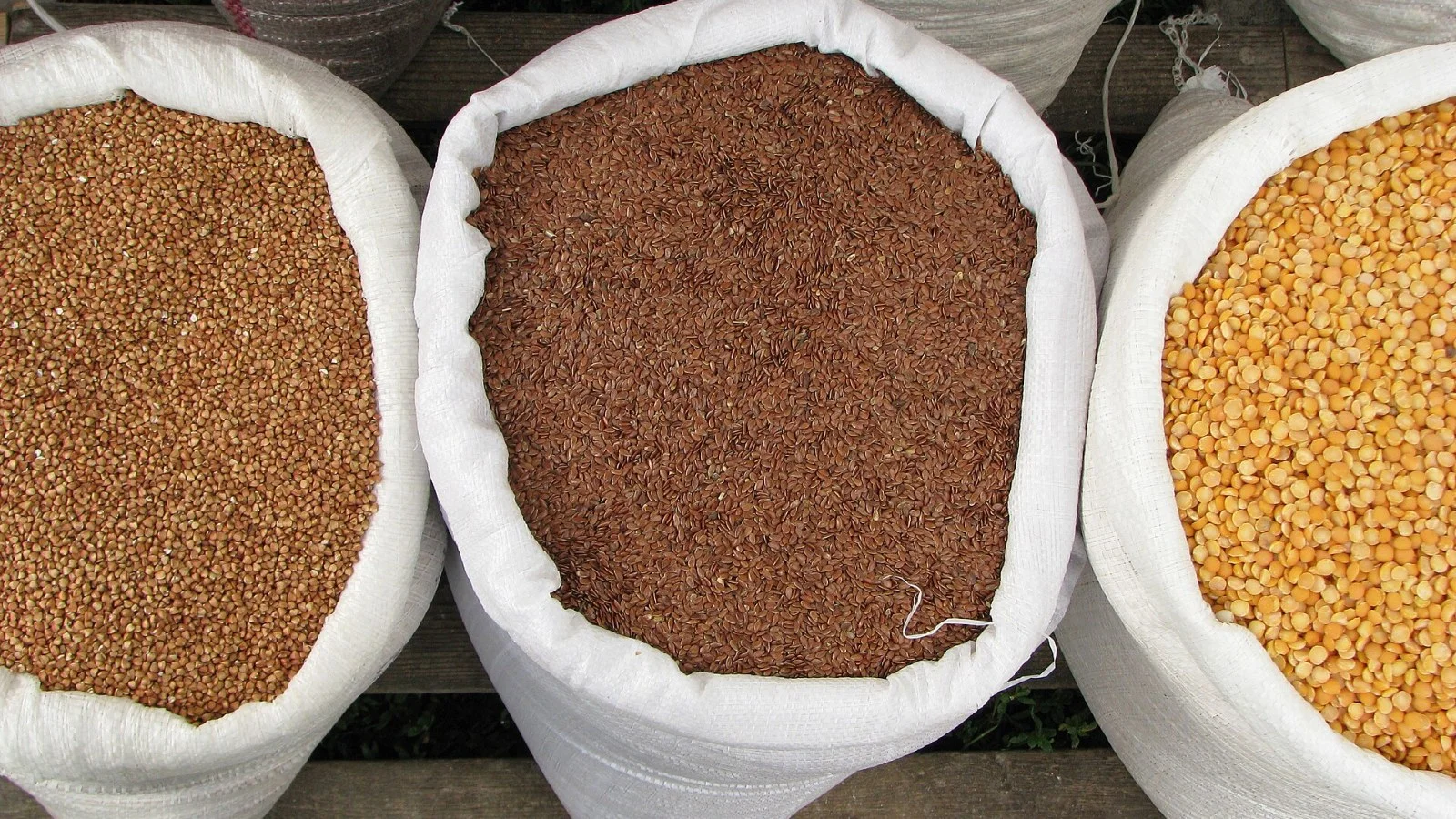
Featured image: "Staszów Targowisko 08" by Agnieszka Kwiecie?, Nova, CC BY-SA 3.0 (cropped), via Wikimedia Commons. Sources: US National Center for Complementary and Integrative Health (NCCIH), 'Flaxseed and Flaxseed Oil', and Harvard T.H. Chan School of Public Health.

















Comments 0
Leave a Comment
💬
No comments yet. Be the first to share your thoughts!