

This article is for general information only and is not medical advice. If you're unwell or in a high-risk group, contact a doctor.
In short: The 2026–27 flu season is starting earlier than usual in the US. US health officials report that flu activity is still low nationally but rising, with influenza A(H1N1) the most common virus so far. The updated flu vaccine is recommended for almost everyone aged 6 months and older, and if you haven't had it yet, now is a good time, especially before holiday travel.
What the latest data shows
- According to the US Centers for Disease Control and Prevention (CDC), as of 20 November flu activity was low nationally but increasing.
- The CDC expects combined hospitalisations from flu, COVID-19 and RSV this winter to peak at similar levels to last season.
- A(H1N1)pdm09 has been the most frequently reported flu virus this season. It's too early to say which strain will dominate.
- Several flu-related deaths in children have already been reported in the US this season.
- Last season (2025–26) was severe in the US, with at least 20 million illnesses, 270,000 hospitalisations and 11,000 deaths by late January 2026.
Flu symptoms
Flu usually comes on suddenly. Common symptoms include:
- fever or feeling feverish, with chills
- cough and sore throat
- muscle or body aches and headache
- extreme tiredness
- runny or blocked nose
- sometimes vomiting and diarrhoea, more often in children
Flu vs cold vs COVID: how to tell
- Cold: usually starts gradually, with a sniffly nose and sore throat. Fever and body aches are rare.
- Flu: starts suddenly, with fever, aches and exhaustion that can knock you out for days.
- COVID-19: can look like either, and loss of taste or smell can happen.
Because the symptoms overlap, the only way to know for sure is a test. Combined home tests for flu and COVID are available in many countries.
The 2026–27 flu vaccine
- Who should get it: almost everyone aged 6 months and older, with rare exceptions.
- What's new: all three strains in this season's vaccine were updated, including a new H3N2 component to match a variant that spread widely last season.
- When: it's not too late. Vaccination still offers protection later in the season, and it takes about two weeks to work.
- Pregnancy: pregnant people should get the flu shot, not the nasal spray.
Who is at higher risk?
- Adults aged 65 and over
- Young children, especially under 5
- Pregnant people
- People with long-term conditions such as asthma, diabetes, heart disease or a weakened immune system
If you're in one of these groups and get flu symptoms, contact a health provider promptly. Antiviral medicines work best when started within about 48 hours.
How to protect yourself
- Get your flu vaccine.
- Wash your hands often, and cover coughs and sneezes.
- Stay home when you're sick, and keep sick children home from school.
- Get good sleep, eat well and stay active. See our guides to sleeping better and vitamin D in winter.
- Honey can soothe a cough in adults and children over 1. See our honey guide.
Seek urgent medical help if you notice
- difficulty breathing or shortness of breath
- chest pain or pressure
- confusion, or difficulty waking up
- severe weakness, or not urinating
- blue lips or face
- a fever or cough that improves and then comes back worse
- in children: fast breathing, ribs pulling in with each breath, or dehydration
Note: this article uses US CDC data. Flu seasons and vaccine advice vary by country, so check your local health authority, for example the NHS in the UK or the Ministry of Health in Nepal or India.
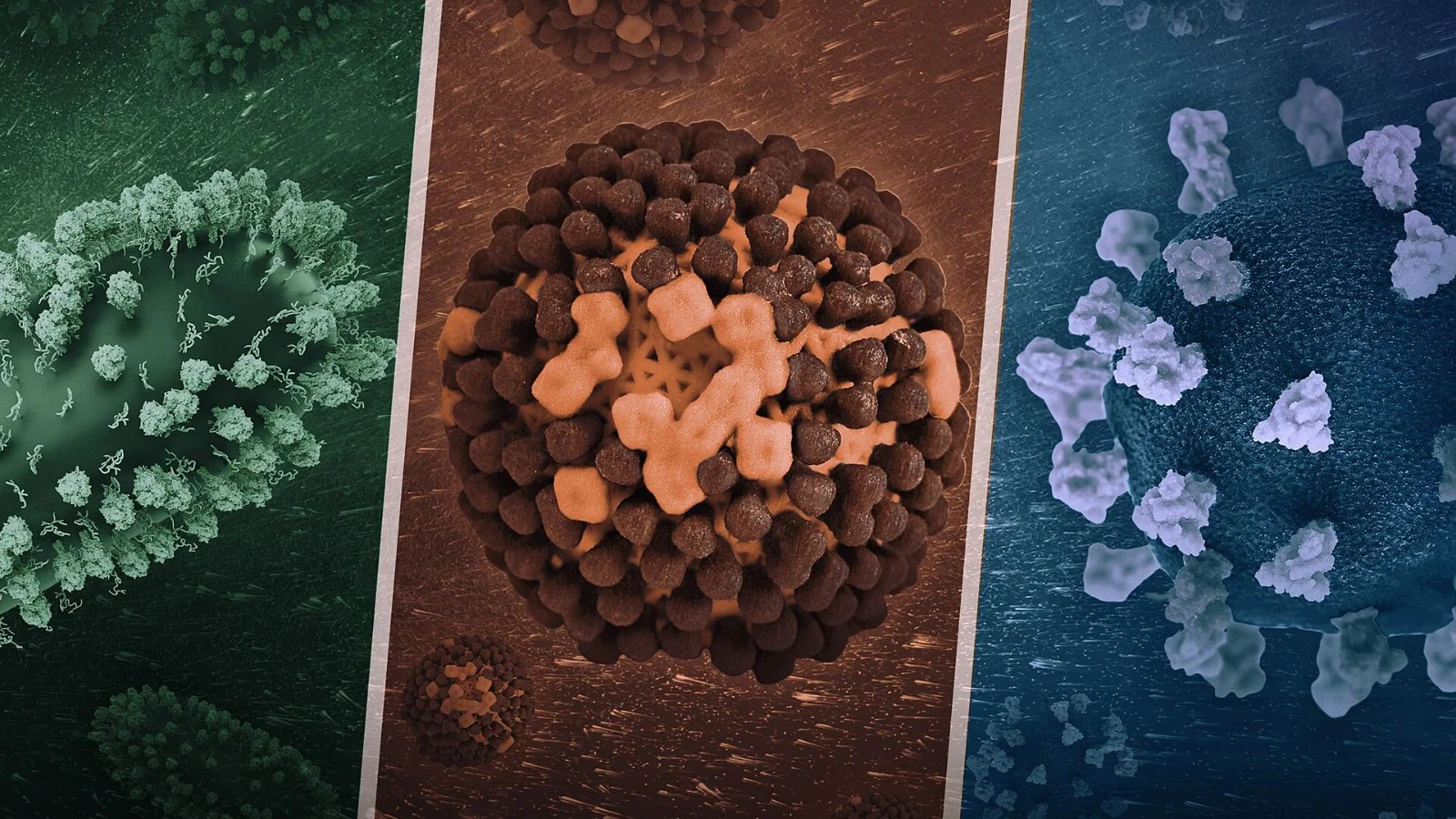
Featured image: "RSV, Influenza, and SARS-CoV-2 (52620877022)" by NIAID, CC BY 2.0 (cropped), via Wikimedia Commons. Sources: US CDC (Respiratory Disease Season Outlook, November 2026 update, and FluView week 44), University of Rochester Medical Center, CNN and Wikipedia (2025–26 US flu season).




















Comments 0
Leave a Comment
💬
No comments yet. Be the first to share your thoughts!