

This article is for general information only and is not medical advice. If you have swallowing difficulties, a bowel condition or take blood-thinning medicine, check with your doctor before eating chia seeds regularly.
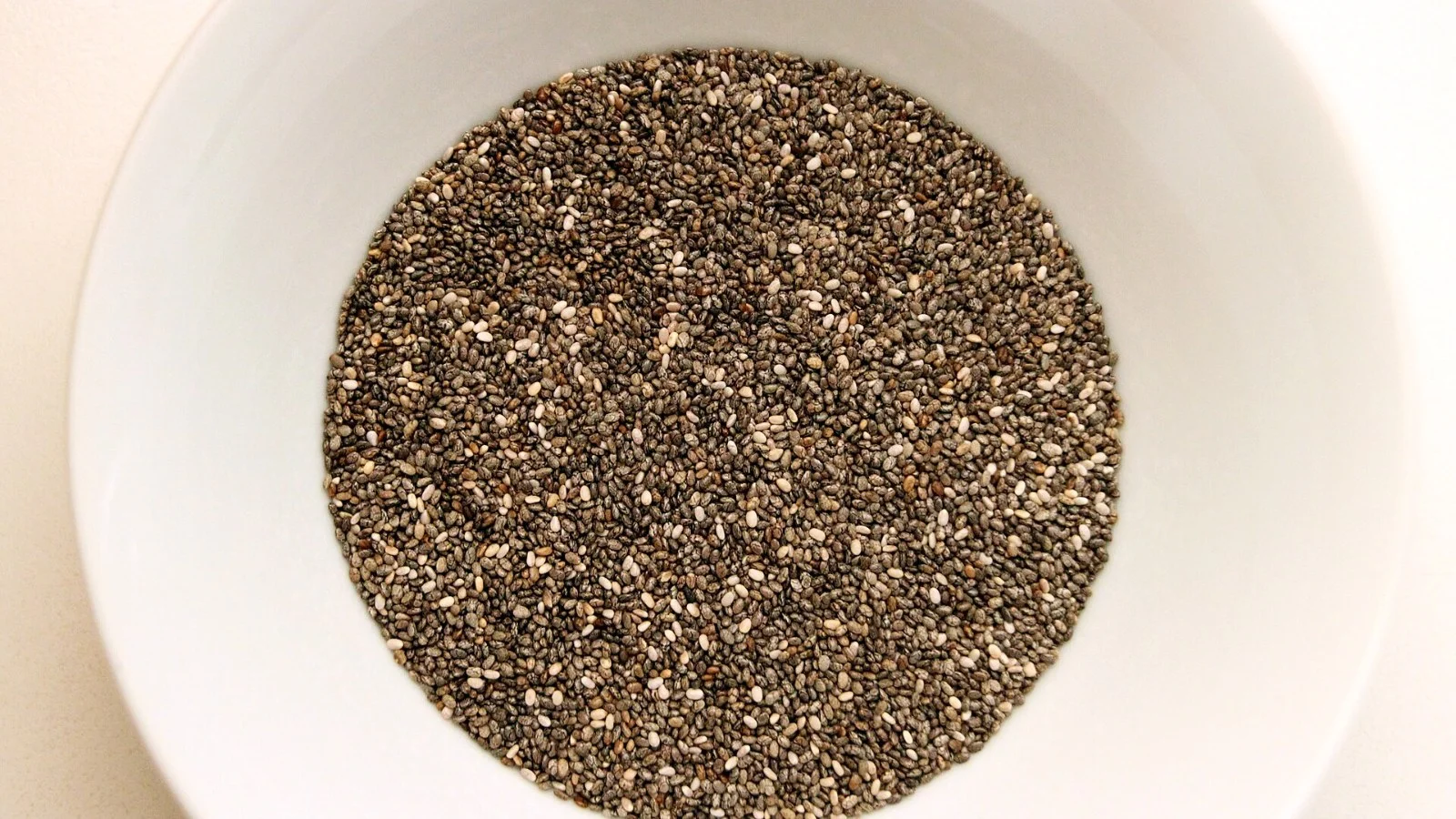
In short: Chia seeds are tiny seeds from the Salvia hispanica plant. Just one ounce (about 2 tablespoons) gives you nearly 10 grams of fibre, about 5 grams of plant omega-3 and almost 5 grams of protein. They're great for digestion and an easy way to add fibre and healthy fats to your diet. Soak them before eating, and drink plenty of water.
Chia seed nutrition facts (per 28 g / about 2 tablespoons)
- Calories: about 138
- Fibre: about 9.8 g, roughly a third of what most adults need in a day
- Protein: about 4.7 g
- Fat: about 8.7 g, mostly healthy polyunsaturated fats
- Omega-3 (ALA): about 5 g
- Minerals: calcium, magnesium, phosphorus and zinc
- Naturally gluten-free
Values based on USDA data.
Benefits of chia seeds
1. Excellent for digestion ?
Chia seeds are one of the richest food sources of fibre. Fibre helps keep bowel movements regular, feeds healthy gut bacteria and keeps you feeling full. Most adults don't eat enough: common recommendations are about 25 g a day for women and 38 g for men.
2. Plant-based omega-3 ?
About 60% of the fat in chia seeds is alpha-linolenic acid (ALA), a plant omega-3 your body can't make on its own. Eating ALA has been linked to a lower risk of heart disease. Note that ALA isn't the same as the omega-3s in oily fish (EPA and DHA), and the body converts only a small amount.
3. Heart health ?? Promising
Thanks to their fibre and omega-3, chia seeds fit well into a heart-healthy diet. Harvard's Nutrition Source notes, though, that the evidence is stronger for diets rich in omega-3 foods overall than for chia seeds alone.
4. Blood sugar ?? Some evidence
When soaked, chia's soluble fibre forms a gel that slows digestion. This may help steady blood sugar after meals. Early research is positive, but more studies are needed.
5. Feeling full and weight management ??
The fibre and protein can help you feel fuller for longer. But chia seeds are calorie-dense, so stick to sensible portions. They aren't a weight-loss shortcut.
6. Plant protein for vegetarians and vegans ?
Chia seeds contain all nine essential amino acids, making them a useful protein boost in plant-based diets.
How much should you eat?
About 1–2 tablespoons (15–28 g) a day is a common serving. If you're new to high-fibre foods, start with 1 teaspoon and build up slowly, drinking plenty of water, to avoid bloating or wind.
Important safety tip: don't eat them dry
Chia seeds absorb many times their weight in liquid and swell into a gel. Eating a spoonful of dry seeds followed by water has caused choking and blockages in the oesophagus. Always soak them first or mix them into wet foods. Take extra care if you have trouble swallowing.
Other things to know
- Blood thinners and blood pressure medicine: large amounts of omega-3 may add to their effects, so check with your doctor.
- Allergies: rare, but possible, especially if you're allergic to sesame or mustard seeds.
- Digestive conditions: people with IBD flare-ups may need to limit high-fibre foods.
Easy ways to eat chia seeds
- Chia pudding: mix 3 tablespoons of chia with 200 ml of milk or plant milk and refrigerate overnight. Top with fruit and a little honey.
- Overnight oats: stir a tablespoon into your oats.
- Smoothies: blend in a tablespoon of pre-soaked chia.
- Chia "egg" for baking: 1 tablespoon chia plus 3 tablespoons water, left for 10 minutes.
- Sprinkle: on yoghurt, salads or porridge, as long as there's enough moisture.
Related: Benefits of flaxseed · High-protein vegetarian foods · Benefits of apple cider vinegar.
Featured image: "Chiasamen 02 (fcm)" by Photograph: Frank C. Müller, Frankfurt am Main, CC BY-SA 4.0 (cropped), via Wikimedia Commons. Sources: Harvard T.H. Chan School of Public Health (The Nutrition Source), Harvard Health Publishing, Cleveland Clinic, MD Anderson Cancer Center and USDA FoodData Central.











Comments 0
Leave a Comment
💬
No comments yet. Be the first to share your thoughts!