

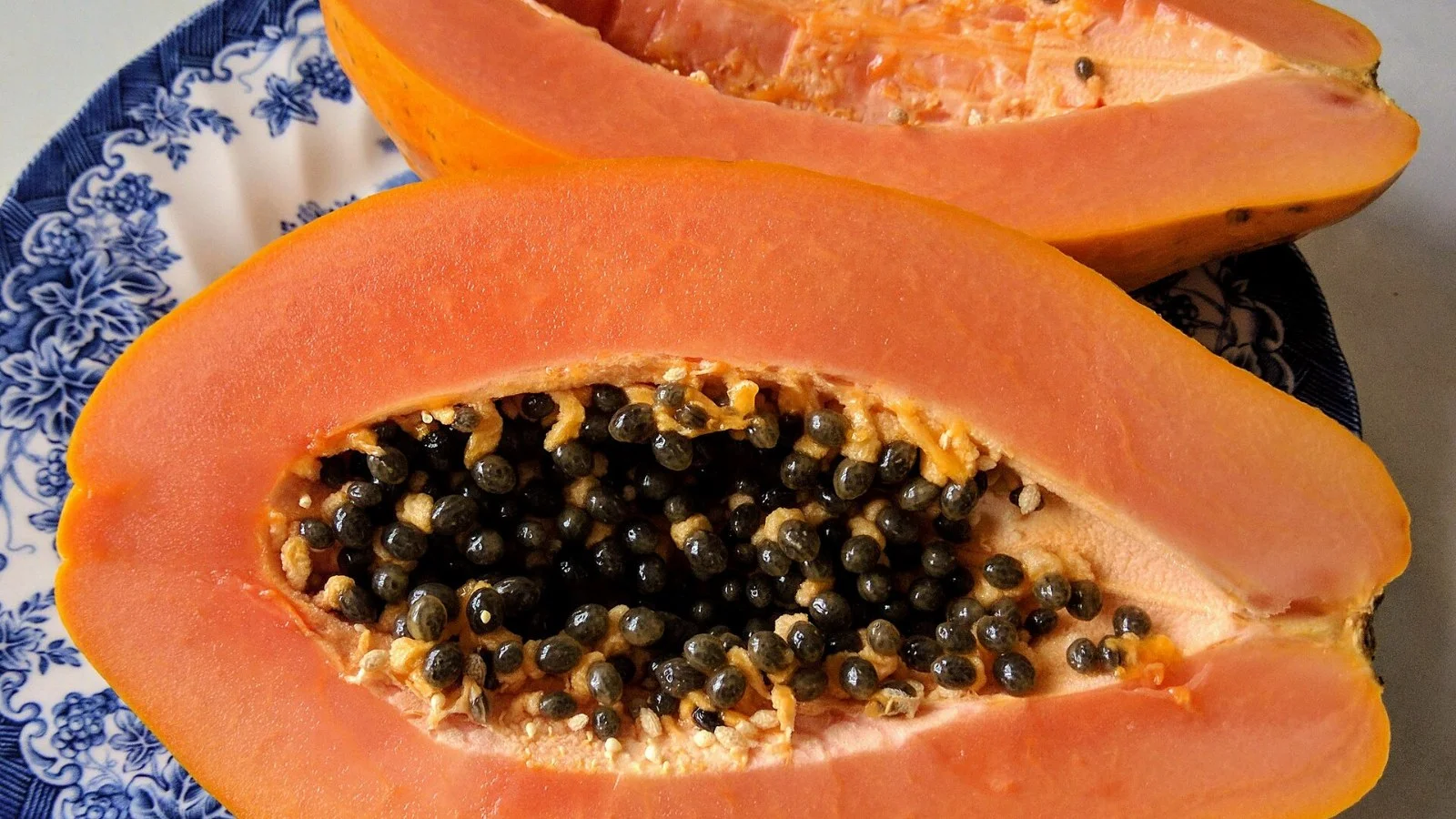
This article is for general information only and is not medical advice. If you're pregnant, ask your doctor or midwife about eating papaya.
In short: Ripe papaya is a low-calorie tropical fruit packed with vitamin C, plus fibre, folate, potassium and antioxidants like beta-carotene and lycopene. It's a great everyday fruit. The main cautions are about unripe (green) papaya, which contains latex and should be avoided during pregnancy, and about latex allergy.
Papaya nutrition (one small papaya, about 150 g)
- Calories: about 68
- Vitamin C: about 95–98 mg, more than a full day's needs for most adults
- Fibre: about 3 g
- Also provides: folate, potassium, magnesium, vitamin A (from beta-carotene) and vitamin K
Benefits of papaya
1. Excellent source of vitamin C ?
Just one small papaya can cover your daily vitamin C. Vitamin C supports your immune system, helps wounds heal, keeps skin healthy and helps you absorb iron from plant foods.
2. Gentle on digestion ?
Ripe papaya is soft, hydrating and contains fibre, which supports regular bowel movements. Many people find it an easy fruit to eat when their stomach is sensitive.
3. Antioxidants for heart and eye health ?? Supportive evidence
Papaya contains beta-carotene, lycopene, lutein and zeaxanthin. Diets rich in these antioxidant-packed fruits and vegetables are linked to better heart and eye health, although papaya alone isn't a cure for anything.
4. Good for skin ?
Vitamin C helps your body make collagen. Papaya enzymes are also used in some skincare products as gentle exfoliants.
5. About papain: the "digestive enzyme" claim ?
Papaya contains papain, an enzyme that breaks down protein, which is why it's used as a meat tenderiser. But papain is changed in the stomach, so it's not clear that eating it as medicine helps digestion. Claims that papaya cures dengue, diabetes or cancer aren't supported by good scientific evidence.
Safety: who should be careful
- Pregnancy: ripe papaya is commonly eaten, but unripe or semi-ripe papaya contains papaya latex, which may trigger contractions and is considered possibly unsafe in pregnancy. Avoid green papaya and papaya supplements when pregnant.
- Latex allergy: people allergic to latex may also react to papaya. Be cautious.
- Papaya latex on skin: the milky sap from green papaya can cause irritation and allergic reactions.
- Blood thinners: large amounts of papaya extract may affect warfarin. Normal food amounts are generally fine, but tell your doctor.
Easy ways to enjoy papaya
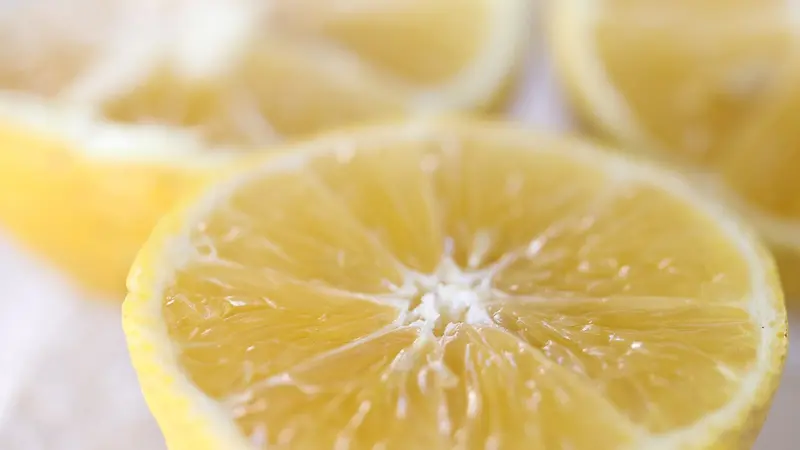
- Eat ripe papaya chilled with a squeeze of lemon or lime.
- Add to fruit salads, smoothies or yoghurt bowls.
- Make a papaya-mango lassi.
- Green papaya is used cooked in curries and tarkari. Cooking it is important, and avoid it during pregnancy.
Related: Benefits of amla · Benefits of chia seeds · Benefits of honey.
Featured image: "Papaya cut half" by Maksym Kozlenko, CC BY-SA 4.0 (cropped), via Wikimedia Commons. Sources: MedlinePlus (US National Library of Medicine), Cleveland Clinic, Healthline and Verywell Health.


















Comments 0
Leave a Comment
💬
No comments yet. Be the first to share your thoughts!