

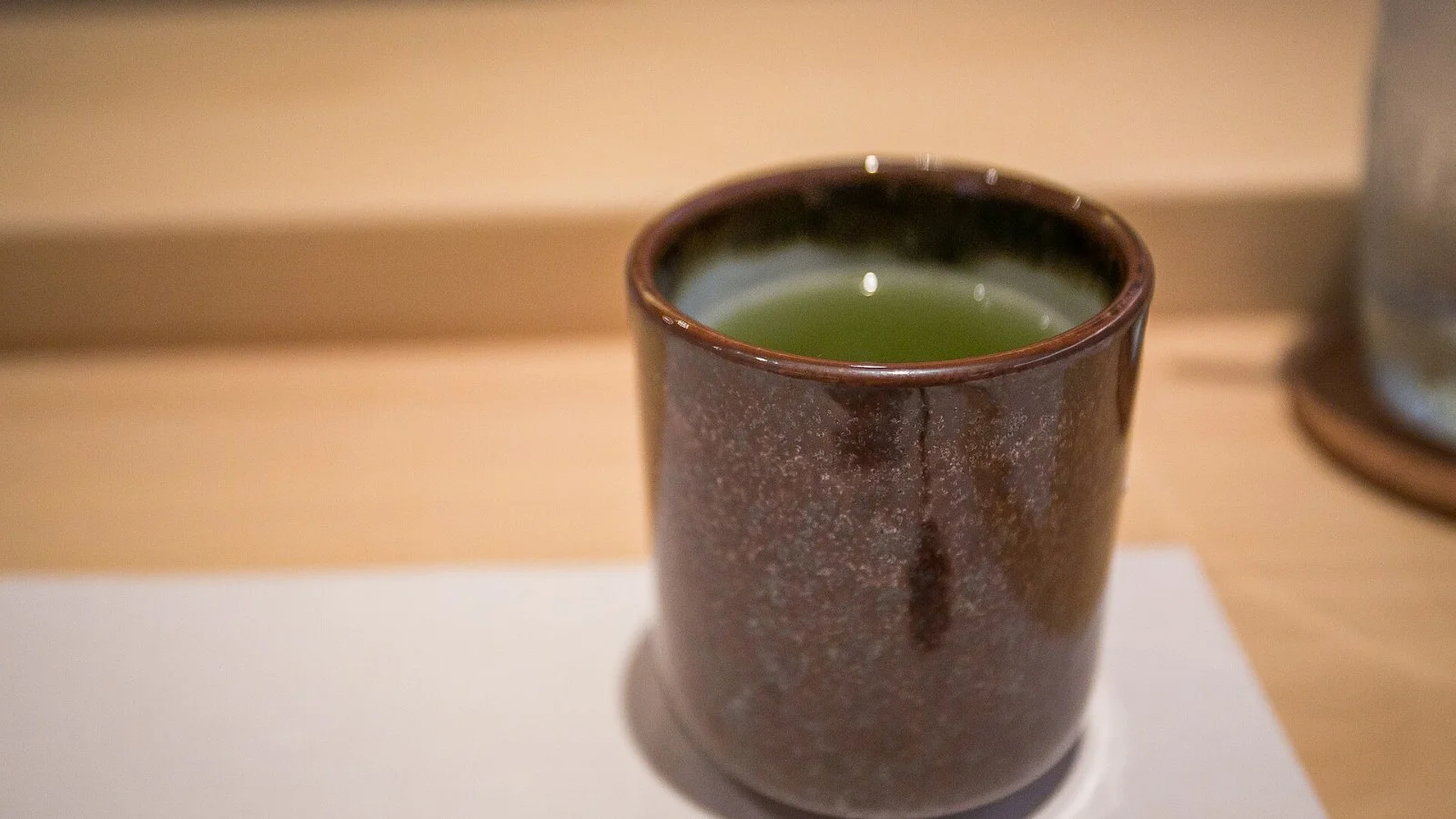
This article is for general information only and is not medical advice. Talk to a doctor or pharmacist before taking green tea supplements, especially if you take medicine.
In short: Drinking green tea is safe for most adults and is linked to better heart health, slightly lower cholesterol and a small effect on weight. But for most claims, scientists say firm conclusions can't be reached yet. Enjoy it as a drink, and be careful with high-dose extract pills.
What is green tea?
Green tea comes from the leaves of the Camellia sinensis plant, the same plant as black tea, but the leaves are steamed or pan-fired rather than fermented. It is rich in plant compounds called catechins, especially EGCG, and it also contains caffeine. Matcha is powdered green tea, so you consume the whole leaf.
Benefits of green tea: what the evidence shows
1. Heart health ? Some evidence
Drinking green tea has been linked to a lower risk of coronary heart disease in studies of people in Asia, although the same link hasn't been found in Western populations.
2. Cholesterol ? Modest effect
In clinical trials, mostly using green tea extracts, green tea modestly lowered total and LDL ("bad") cholesterol. It didn't change HDL ("good") cholesterol or triglycerides.
3. Weight ?? Small effect
Green tea catechins and caffeine may have a modest effect on body weight, depending on the product and how active you are. Don't expect dramatic results. Green tea isn't a substitute for a healthy diet and exercise.
4. A healthy swap for sugary drinks ?
Plain green tea has almost no calories. Swapping sugary sodas or sweetened coffees for unsweetened green tea is an easy way to cut sugar.
5. Alertness without a big caffeine hit ?
Green tea contains caffeine, usually less than coffee, so many people find it gives a gentler lift in energy and focus.
6. Cancer ? Unclear
Studies on green tea and cancer risk have produced mixed results. There is no reliable evidence that green tea prevents or treats cancer.
Is green tea safe?
- As a drink: no safety concerns have been reported for adults drinking green tea in normal amounts. Watch your total caffeine if you're sensitive to it, and avoid it late in the day if it affects your sleep.
- Extract pills: these can cause nausea, constipation, stomach discomfort and higher blood pressure. In rare cases, mainly with capsules and tablets, they have been linked to liver injury.
- Medicine interactions: large amounts of green tea may lower levels of the blood pressure drug nadolol, and extracts may lower levels of the cholesterol drug atorvastatin. Other interactions are possible. Ask your pharmacist.
- Pregnancy and breastfeeding: keep caffeine moderate and ask your doctor or midwife how much is right for you.
How to enjoy green tea
- Brew with water just off the boil (around 70–80°C) for 2–3 minutes to avoid bitterness.
- Try it plain, with lemon, or as iced tea.
- Have it earlier in the day if caffeine affects your sleep. See our guide on how to sleep better.
The bottom line
Green tea is a healthy everyday drink with some evidence for heart health and cholesterol. It's not a miracle cure, and concentrated extract pills carry risks that the tea itself doesn't.
Related: Benefits of ginger · Benefits of turmeric.
Featured image: "Green tea - Kabuto" by City Foodsters, CC BY 2.0 (cropped), via Wikimedia Commons. Source: US National Center for Complementary and Integrative Health (NCCIH), 'Green Tea: Usefulness and Safety'.















Comments 0
Leave a Comment
💬
No comments yet. Be the first to share your thoughts!