

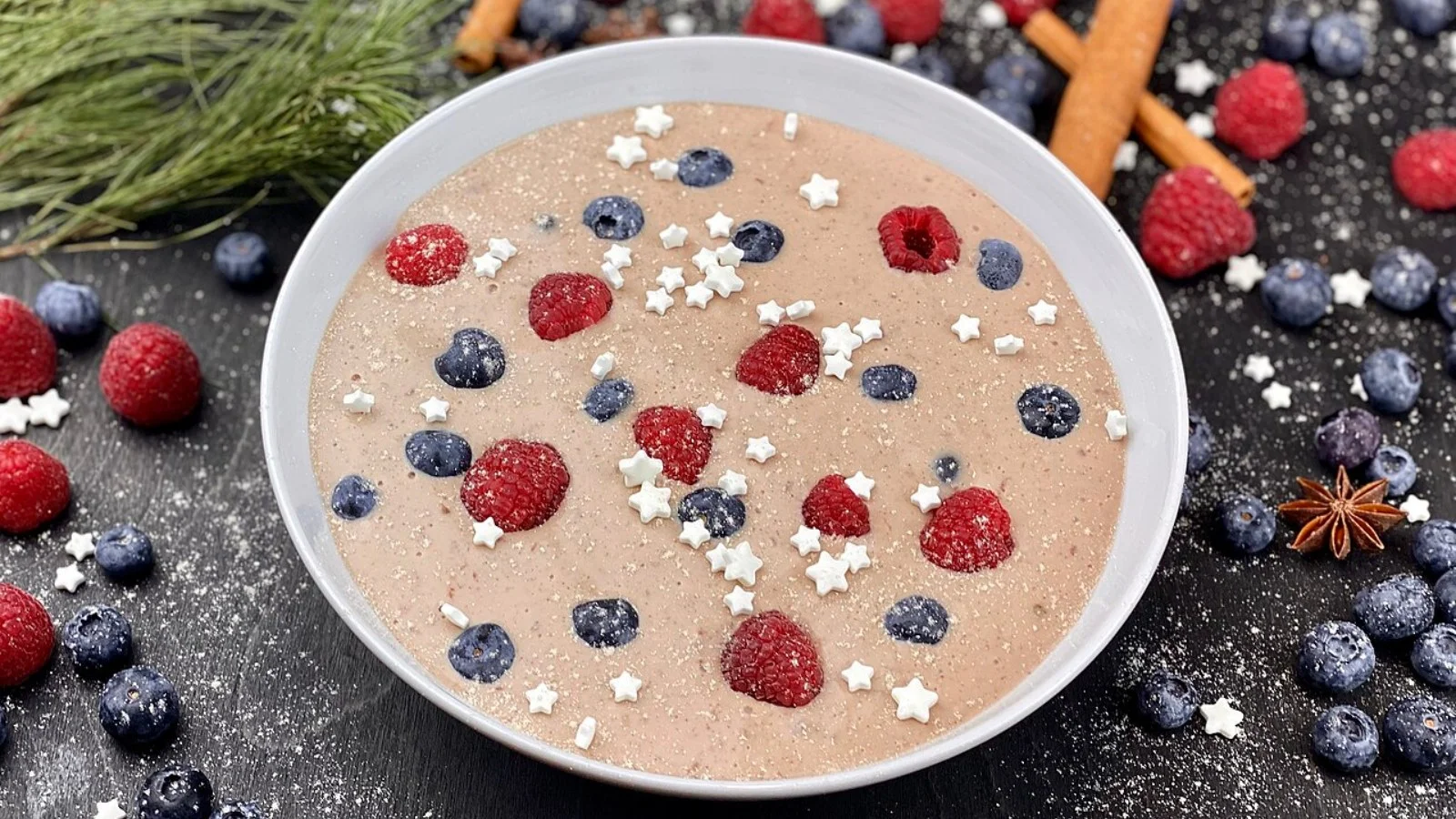
Quick answer: Oats are a whole grain rich in beta-glucan, a soluble fibre. The best-supported benefit is lower cholesterol: about 3 g of oat beta-glucan a day modestly lowers blood cholesterol, and the US FDA allows oat products to carry a heart-health claim. Oats can also blunt blood-sugar spikes after meals and keep you full. Less-processed oats (steel-cut or rolled) are better for blood sugar than sweetened instant packets.
Last updated: 28 November 2026. This article is general information, not medical advice.
What are the main health benefits of oats?
| Benefit | How strong is the evidence? | What the research found |
|---|---|---|
| Lower cholesterol | Good | A meta-analysis found 3 g of beta-glucan a day from whole oats lowered blood cholesterol by about 12 points (mg/dL) |
| Heart health | Moderate | The FDA allows a label claim linking oat beta-glucan to lower coronary heart disease risk; large studies link high whole-grain intake to about 21% lower heart disease risk |
| Blood sugar | Moderate | A meta-analysis of 14 controlled trials found oats lowered fasting glucose and HbA1c, especially in people with high HbA1c |
| Feeling full | Mixed | Beta-glucan thickens food in the gut and slows digestion; some trials show more fullness, but weight loss is inconsistent |
| Gut health | Early | Fibre supports regular bowel movements; effects on gut bacteria and IBS need more research |
How do oats lower cholesterol?
Beta-glucan forms a thick gel in the gut. This gel binds to bile acids, which are made from cholesterol, and carries them out of the body, so the liver pulls more cholesterol from the blood to make new bile. The effect is modest but real, which is why the US FDA permits whole-grain oat products to carry a claim that their soluble fibre may reduce the risk of heart disease. The FDA claim is based on 3 g of beta-glucan a day as part of a diet low in saturated fat and cholesterol.
How much oats is 3 g of beta-glucan? Roughly 75–90 g of dry rolled oats (about 1 to 1¼ cups), or a smaller amount of oat bran, which is more concentrated. Spreading it across the day works too.
Are oats good for diabetes and blood sugar?
Oats can help, if you choose the right kind. Beta-glucan slows the absorption of carbohydrate, which may blunt the spike in blood sugar and insulin after a meal. In one randomised trial of 298 adults, eating 50 g or 100 g of oats a day reduced after-meal blood glucose, and the 100 g group also lost a modest amount of weight after a year.
The type matters: steel-cut oats have a low to medium glycaemic load, while instant oats have a high one. Many flavoured instant packets also contain added sugar. If you have diabetes, talk to your doctor or dietitian before changing your diet.
Which type of oats is healthiest?
| Type | How it’s made | Cooking time | Blood sugar effect |
|---|---|---|---|
| Oat groats | Whole kernels, hull removed | Longest (45+ min) | Lowest |
| Steel-cut (Irish) | Groats chopped into pieces | 20–30 min | Low to medium |
| Scottish | Stone-ground into meal | About 10 min | Medium |
| Rolled (old-fashioned) | Steamed and flattened | About 5 min | Medium |
| Quick and instant | Steamed longer and rolled thinner | 1–2 min | Highest |
| Oat bran | The fibre-rich outer layer | A few minutes | Low; most beta-glucan per gram |
Nutritionally, steel-cut and instant oats are very similar. The main difference is how fast they raise blood sugar. Plain rolled or steel-cut oats are the best everyday choice.
Are oats gluten-free?
Pure oats do not contain gluten, but most commercial oats are processed in facilities that also handle wheat, barley or rye, and cross-contamination can happen in the field too. People with coeliac disease or gluten sensitivity should choose oats labelled gluten-free (in the US this means under 20 parts per million of gluten) and check with their doctor, as a small number of people with coeliac disease also react to oats.
How to eat more oats
- Porridge: cook rolled or steel-cut oats with milk or water and top with fruit and nuts instead of sugar.
- Overnight oats: soak rolled oats in milk or yoghurt in the fridge; add chia seeds for extra fibre.
- Baking: swap part of the flour in pancakes or muffins for oat flour.
- Savoury oats: cook with stock and top with an egg and vegetables.
- Add-ins: stir oat bran into yoghurt or smoothies.
- Spice it up: a pinch of cinnamon adds flavour without sugar.
Are there any side effects of oats?
Oats are safe for most people. If you are not used to a high-fibre diet, increase slowly and drink enough water, as a sudden jump can cause bloating or wind. Watch out for flavoured instant oats and oat-based snack bars, which can contain a lot of added sugar.
Sources
- Harvard T.H. Chan School of Public Health, The Nutrition Source: Oats
- US Food and Drug Administration, health claim for soluble fibre from whole oats (21 CFR 101.81)
This article is for general information and is not medical advice. If you have high cholesterol, diabetes or coeliac disease, ask your doctor or a registered dietitian before making big changes to your diet.
Featured image: "File:Healthy Oatmeal with Berries" by FitTasteTic, CC BY-SA 2.0 (cropped), via Wikimedia Commons. Harvard T.H. Chan School of Public Health, The Nutrition Source; US FDA 21 CFR 101.81






















Comments 0
Leave a Comment
💬
No comments yet. Be the first to share your thoughts!