


This article is for general information only and is not medical advice. If you have diabetes, don't use cinnamon instead of your prescribed treatment. Talk to your doctor first.
In short: Cinnamon is a delicious, safe spice in normal food amounts. But despite popular claims, the US National Center for Complementary and Integrative Health (NCCIH) says research doesn't clearly support using cinnamon for any health condition, including diabetes or weight loss. If you use a lot, choose Ceylon cinnamon, because common cassia cinnamon contains coumarin, which can affect the liver in large amounts.
Ceylon vs cassia: not all cinnamon is the same
- Ceylon cinnamon (Cinnamomum verum), sometimes called "true cinnamon", comes mainly from Sri Lanka. It has a lighter, sweeter taste and only trace amounts of coumarin.
- Cassia cinnamon (Cinnamomum aromaticum) comes from southeast Asia and is the most common type sold in supermarkets, especially in North America. It is stronger in flavour and higher in coumarin.
Labels often don't say which type you're buying. Ceylon is usually labelled clearly and costs more.
Cinnamon benefits: what the evidence says
1. Blood sugar and diabetes ? Unclear
This is the most popular claim. Many studies have tested cinnamon for type 2 diabetes, but they are hard to compare because they often don't say which species or part of the plant was used. It's unclear whether cinnamon supplements help, and better research is needed. Never replace diabetes medicine with cinnamon.
2. Weight loss ? Unproven
Cinnamon is marketed for weight loss, but there's no clear evidence that it works.
3. Hay fever ?? Early research
Early research on a Ceylon cinnamon nasal spray suggests it may help hay fever symptoms, but more reliable studies are needed.
4. A tasty way to cut added sugar ?
This is the most practical benefit. Cinnamon adds natural sweetness and warmth, so a sprinkle on porridge, yoghurt, coffee or fruit can help you use less sugar.
5. Traditional uses ?
Cinnamon has traditionally been used for inflammation, coughs and heart health, but these uses aren't backed by strong modern evidence.
Is cinnamon safe?
- In food amounts: likely safe for most people, including during pregnancy.
- Large amounts or long-term supplements: may cause stomach problems or allergic reactions. High-coumarin cassia products may be a concern for the liver, especially for people with liver disease.
- Pregnancy: food amounts of either type appear safe, but larger amounts of Ceylon cinnamon are considered unsafe.
- Medicines: some cinnamon compounds may interact with certain medicines. Ask a pharmacist before using supplements.
- On the skin: cinnamon oil or powder can cause irritation.
- Never try the "cinnamon challenge" (swallowing a spoonful of dry powder). It can cause choking and serious lung damage.
Easy ways to enjoy cinnamon
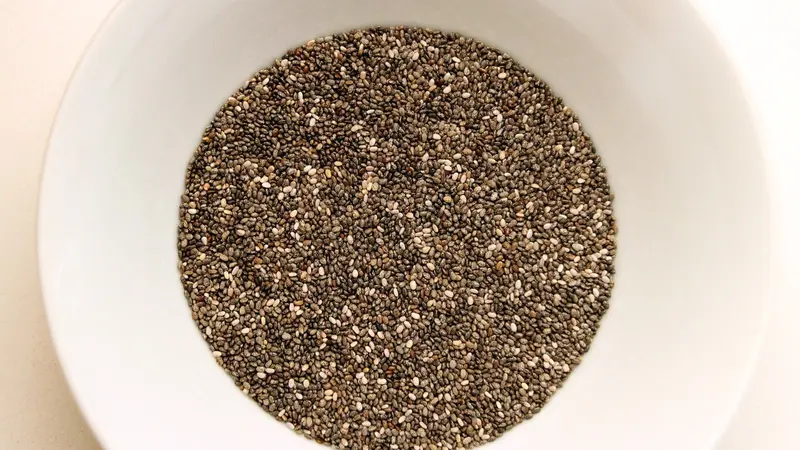
- Stir into oats, yoghurt or chia pudding.
- Add a stick to tea, coffee or warm milk.
- Use in curries, biryani, stews and baking.
- Sprinkle on apples, bananas or sweet potato.
The bottom line
Enjoy cinnamon as a flavourful spice and a way to cut sugar. Don't rely on it to treat diabetes or lose weight, and choose Ceylon if you use a lot every day.
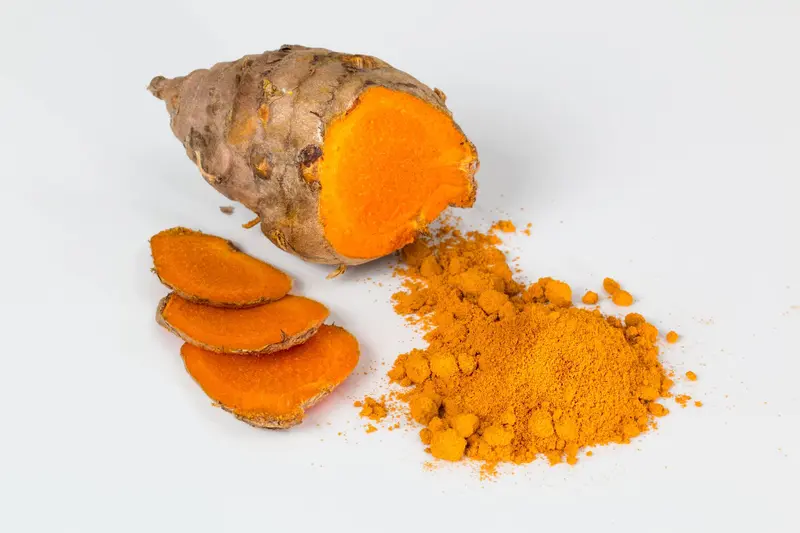
Related: Benefits of ginger · Benefits of green tea · Benefits of turmeric.
Featured image: "Cinnamon-other" by photo8, CC BY 2.0 (cropped), via Wikimedia Commons. Source: US National Center for Complementary and Integrative Health (NCCIH), 'Cinnamon: Usefulness and Safety'.

















Comments 0
Leave a Comment
💬
No comments yet. Be the first to share your thoughts!