


This article is for general information only and is not medical advice. Talk to a doctor or pharmacist before using ginger supplements, especially if you are pregnant or take medicine.
In short: Ginger is a spice made from the root (rhizome) of the Zingiber officinale plant, and it has been used in traditional medicine across Asia for thousands of years. The strongest evidence is for nausea during pregnancy. There is also some evidence for period pain and knee arthritis. As a food, ginger is safe for most people.
7 benefits of ginger, and how strong the evidence is
1. Helps with morning sickness ? Good evidence
According to the US National Center for Complementary and Integrative Health (NCCIH), research suggests ginger may help relieve nausea and vomiting in pregnancy. It is one of the most studied uses of ginger. Pregnant women should check with their midwife or doctor before taking supplements.
2. May ease period pain ? Some evidence
Studies suggest ginger supplements might reduce the severity of menstrual cramps. Many people take ginger tea or capsules around the start of their period.
3. May reduce knee arthritis pain ?? Limited evidence
Taking ginger by mouth might ease the symptoms of knee osteoarthritis, but much of the research is low quality. Ginger creams and gels rubbed on the skin have not been shown to help.
4. Soothes an upset stomach and indigestion ? Traditional use
Ginger has long been used for indigestion, bloating and stomach discomfort. Many people find a cup of ginger tea after a meal comforting, although strong scientific proof is still limited.
5. Comforting for colds and sore throats ? Traditional use
Hot ginger tea with honey and lemon is a classic remedy for colds and flu in many cultures. It won't cure a cold, but a warm drink can soothe a sore throat and help you stay hydrated.
6. Nausea after surgery or chemotherapy ? Uncertain
It is not clear whether ginger adds any benefit to the standard anti-sickness medicines given after surgery or during cancer treatment. Always follow your medical team's advice.
7. Motion sickness ? Probably not
Despite its reputation, most studies have not shown ginger helps with motion sickness on boats, planes or in cars.
How to use ginger
- Fresh: grate it into stir-fries, curries, soups and dal.
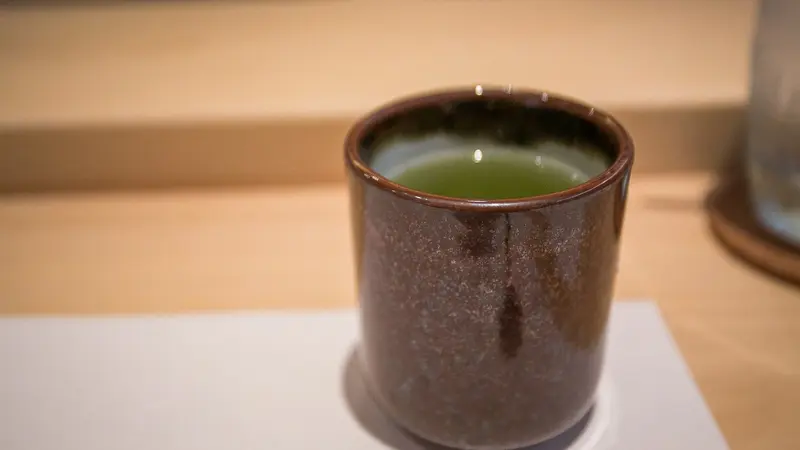
- Ginger tea: simmer a few thin slices of fresh ginger in hot water for 5–10 minutes. Add lemon or honey if you like.
- Dried/powdered: use in baking, smoothies or porridge.
- Supplements: capsules are available, but supplements aren't checked for safety or effectiveness before they are sold in many countries, so ask a pharmacist first.
Side effects and who should be careful
- Ginger can cause heartburn, stomach discomfort, diarrhoea or irritation in the mouth and throat, especially in large amounts.
- It can interact with some medicines. Check with a doctor or pharmacist before taking ginger supplements if you take any regular medication, especially blood thinners.
- Pregnancy: ginger supplements may be safe, but speak to your doctor or midwife first.
- Breastfeeding: little is known about the safety of ginger supplements.
The bottom line
Ginger is a tasty, safe spice for most people, and it has real evidence behind it for pregnancy nausea and period pain. For other uses, treat it as a comforting home remedy rather than a cure.
Related: Benefits of turmeric · Benefits of garlic · Benefits of rosemary.
Featured image: "Ginger rhizome" by Mk2010, CC BY-SA 4.0 (cropped), via Wikimedia Commons. Source: US National Center for Complementary and Integrative Health (NCCIH), 'Ginger: Usefulness and Safety'.
















Comments 0
Leave a Comment
💬
No comments yet. Be the first to share your thoughts!