


This article is for general information only and is not medical advice. If sleep problems are affecting your daily life, talk to a doctor.
In short: Most healthy adults need around 7 to 9 hours of sleep a night. Small, consistent changes make the biggest difference: a regular sleep schedule, no caffeine late in the day, putting your phone away and keeping your bedroom dark and quiet.
How much sleep do you need?
Needs vary, but 7–9 hours suits most adults. Children and teenagers usually need more. You are probably getting enough if you wake up feeling refreshed, have energy during the day and can concentrate. If you struggle to wake up and feel tired or irritable during the day, you may not be getting enough.
12 tips for better sleep
Build a routine
- Go to bed and wake up at the same time every day, including weekends. This keeps your body clock steady.
- Give yourself time to wind down for 30–60 minutes before bed. Read, stretch, take a warm bath or listen to calm music.
- Get daylight in the morning. Natural light early in the day helps set your body clock.
Watch what you eat and drink
- Cut caffeine at least 6 hours before bed. That includes coffee, tea, cola and energy drinks.
- Avoid alcohol before bed. It may make you sleepy at first, but it disrupts sleep later in the night.
- Don't smoke in the evening. Nicotine is a stimulant.
- Avoid heavy meals late at night. If you are hungry, have a light snack. A warm milky drink or herbal tea can help you relax.
Set up your bedroom
- Put your phone away. Notifications and scrolling keep your brain alert. Try leaving your phone outside the bedroom.
- Keep the room dark, quiet and cool. Blackout curtains, an eye mask or earplugs can help.
- Make sure your bed is comfortable, with a supportive mattress and pillows.
Move your body and calm your mind
- Exercise regularly, aiming for about 150 minutes a week, but avoid hard exercise in the 4 hours before bed. Morning or early afternoon is best.
- Deal with worries before bed. Write a short to-do list or note what's on your mind earlier in the evening so you don't take it to bed.
Can't sleep? Try this
If you have been lying awake for what feels like 20 minutes or more, get up, go to another room and do something quiet in dim light until you feel sleepy, then go back to bed. Lying awake in bed can make you link your bed with feeling frustrated.
Check your medicines
Some medicines can affect sleep. Read the leaflet, and if you think a medicine is keeping you awake, ask your doctor or pharmacist. Don't stop prescribed medicine without advice.
When to see a doctor
- You regularly struggle to fall asleep, stay asleep or wake too early, and changing your habits hasn't helped. This could be insomnia.
- Menopause symptoms, such as night sweats, are disrupting your sleep.
- You snore loudly, gasp or stop breathing during sleep, or feel very sleepy during the day. These can be signs of sleep apnoea.
- You think a medicine may be affecting your sleep.
If you feel unable to cope or keep yourself safe, seek urgent help from local emergency services or a crisis line.
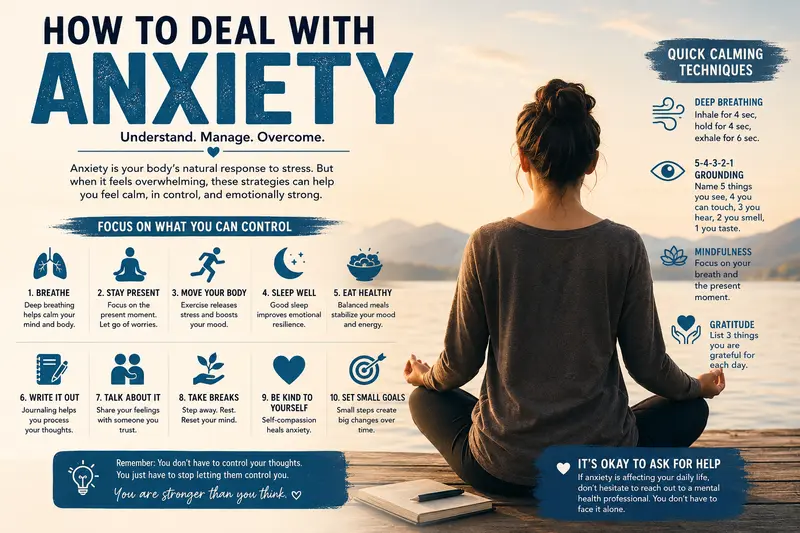
Related: How to deal with anxiety · The mental health benefits of exercise.
Featured image: "MC ?? Macau ???? Macao Peninsula ???? 2 Estrada da Vitória ???? Royal Macau Hotel ??? double bedroom n supply items cloth pillows November 2024 R12S 02" by JohnLEE Brothers, CC0 (cropped), via Wikimedia Commons. Sources: NHS Every Mind Matters (sleep advice) and NHS guidance on insomnia and sleep apnoea.



















Comments 0
Leave a Comment
💬
No comments yet. Be the first to share your thoughts!