

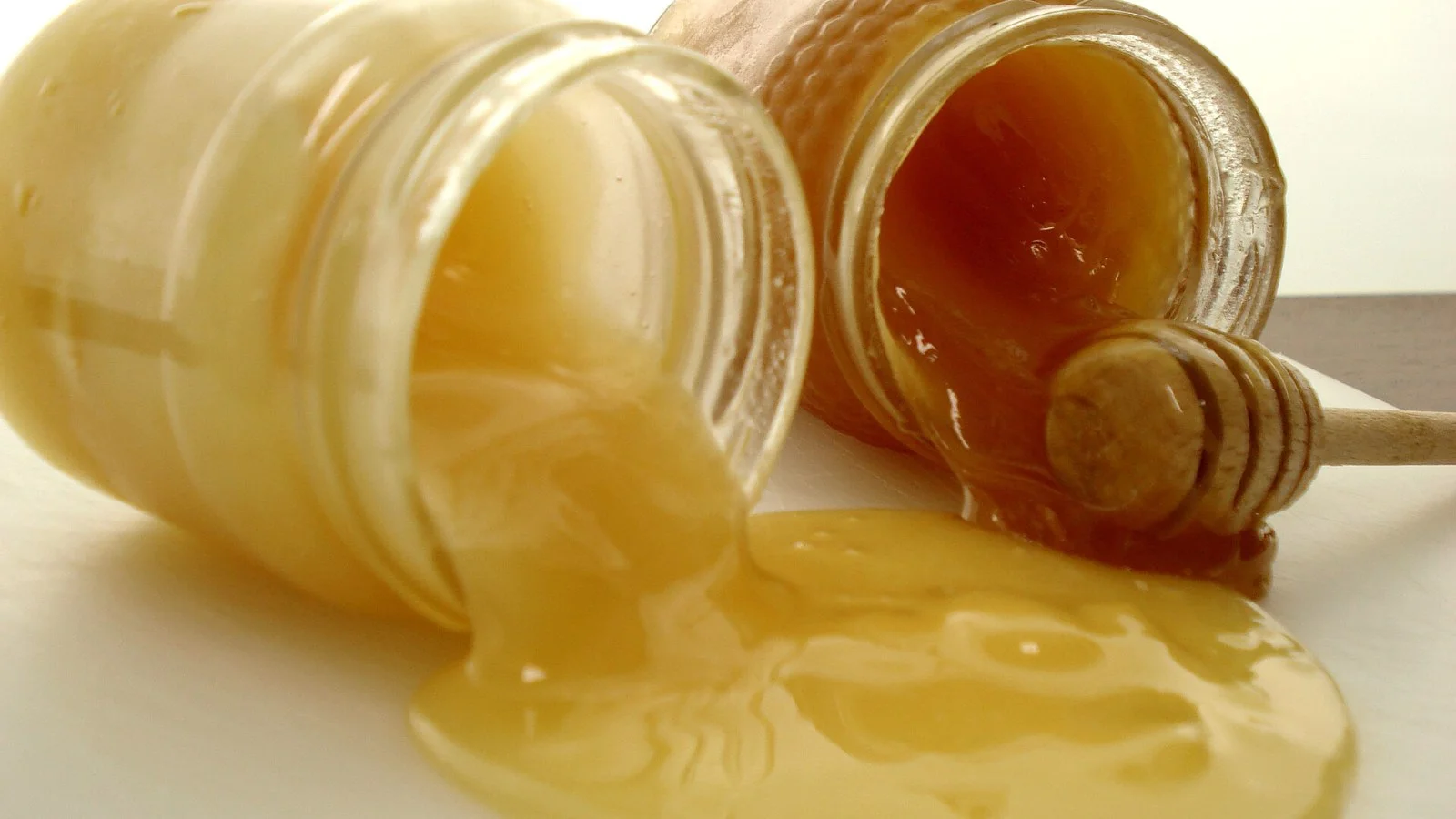
This article is for general information only and is not medical advice. Never give honey to a baby under 12 months old.
In short: Honey's best-proven health benefit is easing coughs from colds and other upper respiratory infections, in both adults and children over 1. Medical-grade honey is also used on minor wounds and burns. But honey is still mostly sugar, so enjoy it in moderation. And because of the risk of infant botulism, it must never be given to babies under 1.
Benefits of honey: what the evidence shows
1. Soothes coughs ? Good evidence
Several studies have found that honey reduces how often and how badly people cough during colds, and helps them sleep better. A 2021 review in BMJ Evidence-Based Medicine found honey worked better than usual care for cough frequency and severity. Experts think it works partly by coating and soothing the throat.
How to use it: Mayo Clinic suggests ½ to 1 teaspoon (2.5–5 ml) for children aged 1 and over. It can be taken on its own or stirred into a warm drink. Adults often take a spoonful before bed or add it to hot water with lemon or ginger.
2. Minor wounds and burns ? Some evidence
Honey has natural antibacterial properties, and specially sterilised medical-grade honey dressings are used in some hospitals for minor wounds and burns. Don't put kitchen honey on a serious wound. See a health professional instead.
3. Stomach upsets ?? Limited evidence
Some research suggests honey might help with diarrhoea from gastroenteritis, and it has been studied as part of oral rehydration drinks. More research is needed.
4. Antioxidants ?
Honey contains plant compounds with antioxidant activity. Darker honeys tend to contain more. But the amounts in a typical spoonful are small, so honey isn't a meaningful "health food" on its own.
5. A natural alternative sweetener ??
Honey is sweeter than table sugar, so you may use a little less. But it is still a free sugar, the kind of sugar health authorities advise limiting. It affects blood sugar much like regular sugar, which matters if you have diabetes.
Raw vs regular honey: is raw better?
Raw honey is popular, but research suggests normal processing doesn't meaningfully change honey's nutritional value or antioxidant levels. Choose whichever you prefer, and remember that no type of honey is safe for babies.
Who should avoid honey?
- Babies under 12 months: never give honey, not even a tiny taste. It can contain spores that cause infant botulism, a rare but serious illness.
- People with diabetes: count honey as sugar and talk to your doctor or dietitian.
- People with pollen or bee allergies: rarely, honey can trigger allergic reactions.
Simple honey remedies
- Bedtime cough drink: 1–2 teaspoons of honey in warm water with lemon.
- Ginger honey tea: simmer fresh ginger slices, then add honey once it has cooled slightly. See our guide to the benefits of ginger.
- Breakfast: drizzle a little over yoghurt, oats or fruit instead of sugar.
See a doctor if a cough lasts more than 3 weeks, you cough up blood, or you have trouble breathing, chest pain or a high fever.
Related: Benefits of cinnamon · Benefits of garlic · Benefits of green tea.
Featured image: "MielCristalizada" by Ruffiana, CC BY-SA 4.0 (cropped), via Wikimedia Commons. Sources: Mayo Clinic, Cleveland Clinic, BMJ Evidence-Based Medicine (Abuelgasim et al., 2021), Cochrane review on honey for cough in children (2018) and WebMD.














Comments 0
Leave a Comment
💬
No comments yet. Be the first to share your thoughts!