

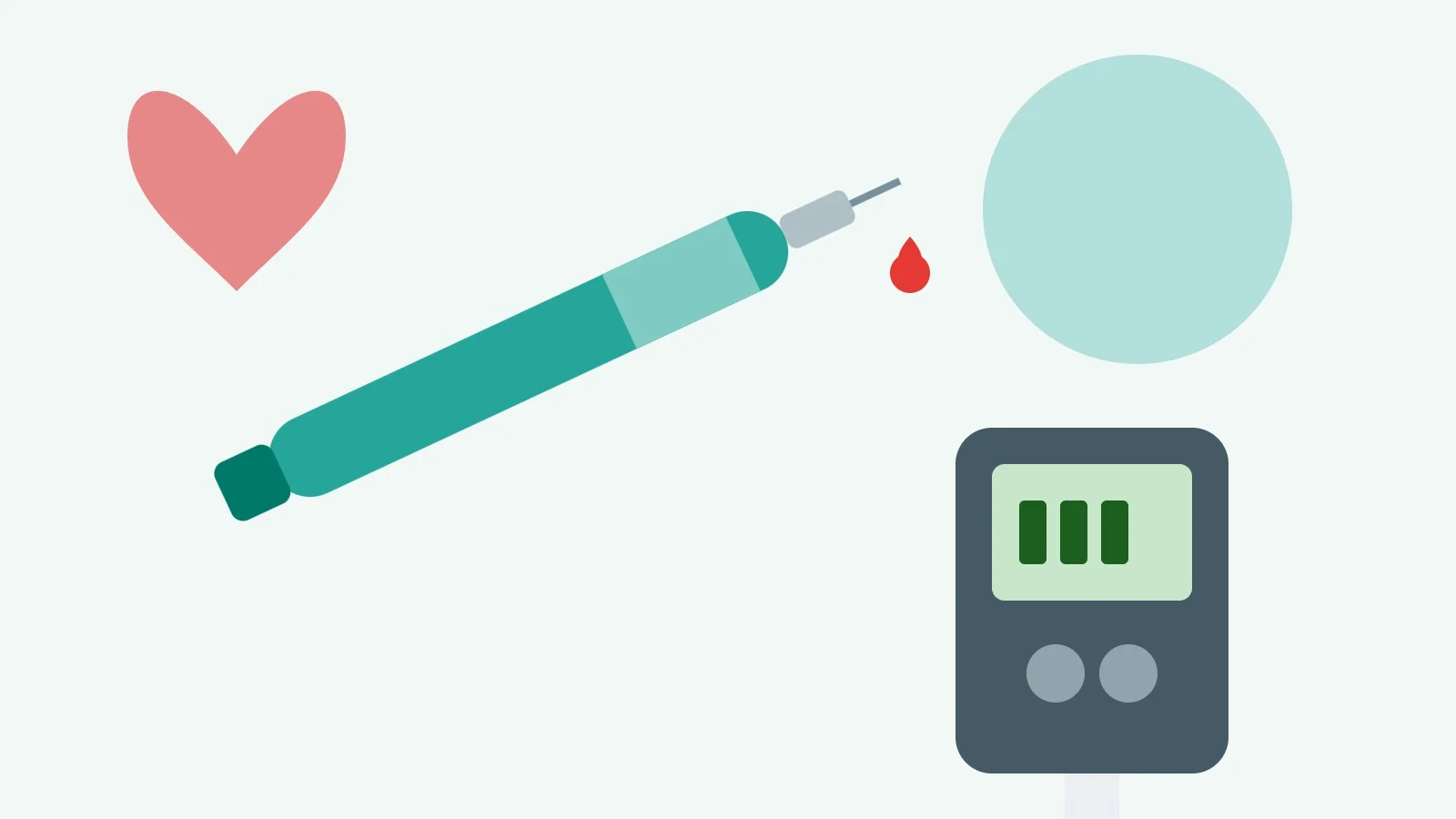
In short: To mark World Diabetes Day on 14 November 2026, the World Health Organization (WHO) published its first-ever guidelines on the diagnosis and management of type 1 diabetes in adults. The recommendations are designed to work everywhere, from well-equipped hospitals to low-resource, emergency and humanitarian settings.
This article is for general information only and is not medical advice. If you or someone you care for has diabetes, talk to a doctor or diabetes nurse before changing any treatment.
What is type 1 diabetes?
Type 1 diabetes is a condition in which the immune system destroys the cells in the pancreas that make insulin, the hormone the body needs to turn sugar in the blood into energy. Without insulin, people with type 1 diabetes cannot survive. It is often thought of as a childhood condition, but it is increasingly affecting adults too.
- About 9.5 million people were living with type 1 diabetes worldwide in 2025.
- About 500,000 people were newly diagnosed in 2025.
- Diabetes of all types affected an estimated 830 million people in 2022, most of them with type 2 diabetes, and more than 40% of people with diabetes don't know they have it.
What do the new guidelines recommend?
- Insulin several times a day: adults with type 1 diabetes should receive multiple daily insulin injections, with doses adjusted to their blood glucose levels.
- Human insulin works: WHO says human insulin is an appropriate and effective option, and other types of insulin can be used where needed. This matters because human insulin is usually cheaper and more widely available.
- Regular monitoring at clinics: a blood test that shows average blood sugar over the past few months should be used to track long-term control.
- Monitoring at home: people should check their glucose with finger-prick tests or a continuous glucose monitor (CGM), a small sensor worn on the skin.
- Where blood tests aren't available: in low-resource settings, urine glucose testing can be considered.
- People with diabetes at the table: countries are encouraged to involve people living with type 1 diabetes in designing, running and evaluating diabetes programmes.
Why this matters
More than 100 years after insulin was discovered, many people with type 1 diabetes still cannot get the affordable, good-quality insulin and care they need. Dr Søren Brostrøm, WHO's Director of Noncommunicable Diseases and Mental Health, called insulin "a lifesaving treatment" and said the guidelines give countries evidence-based recommendations to deliver the best possible care, including in resource-limited and disrupted settings.
The guidelines support a WHO target: by 2030, everyone with type 1 diabetes should have access to affordable insulin and blood glucose self-monitoring. They also follow separate WHO guidance on type 1 diabetes in children and adolescents.
Signs of type 1 diabetes to know
Common warning signs include extreme thirst, passing urine often, unexplained weight loss, tiredness and blurred vision. Symptoms can appear quickly. Anyone with these symptoms should see a health worker promptly, because untreated type 1 diabetes can become life-threatening.
Featured image: AI-generated illustration. Sources: World Health Organization news release (14 November 2026) and the WHO Global Diabetes Compact.
















Comments 0
Leave a Comment
💬
No comments yet. Be the first to share your thoughts!