

Quick answer: Dark chocolate contains flavanols, plant antioxidants linked to better blood-vessel function, lower inflammation and lower cholesterol. Harvard researchers found people who ate dark chocolate five or more times a week had about a 21% lower risk of type 2 diabetes. But Consumer Reports found lead and cadmium in all 28 dark chocolate bars it tested, so enjoy it in small amounts, about one small square to an ounce at most, not as a health food.
Last updated: 29 November 2026
This article is general information, not medical advice. Pregnant women and parents of young children should be especially careful about heavy-metal exposure.
What are the benefits of dark chocolate?
| Possible benefit | What the evidence says |
|---|---|
| Blood flow and blood pressure | Flavanols help blood vessels relax; effects in studies are modest |
| Cholesterol | Some studies show small improvements |
| Type 2 diabetes | Harvard data: about 21% lower risk with dark chocolate 5+ times a week (observational) |
| Mood | Popular claim; evidence is limited |
| Less sugar than milk chocolate | True for 70%+ bars, which are easier to eat in small amounts |
Much of the evidence is observational or uses high-dose cocoa flavanol supplements, so a normal chocolate bar may not deliver the same effect.
Why is dark chocolate healthier than milk chocolate?
Flavanols are in the cocoa solids. Dark chocolate has more solids, so it usually has more flavanols; milk chocolate has much less and white chocolate has none. However, a high "% cocoa" label does not guarantee high flavanols: ConsumerLab found bars ranging from 2.4 mg to 309 mg flavanols per serving, partly because "Dutched" (alkali-treated) cocoa loses flavanols.
Does dark chocolate contain lead and cadmium?
Often, yes. Cacao plants take up cadmium from the soil, and lead can contaminate beans after harvest. In Consumer Reports' test of 28 bars, eating just one ounce (28 g) a day of 23 of them would put an adult over a level its experts consider potentially harmful for at least one metal. Five bars were relatively low in both, showing lower levels are possible. Because the metals are in the cocoa solids, darker chocolate tends to contain more.
How much dark chocolate should you eat?
- Treat it as an occasional treat, not a daily supplement.
- Keep portions small: a square or two, and no more than about an ounce (28 g).
- Rotate brands, since heavy-metal levels vary widely.
- Children and pregnant women should limit it more strictly.
How do you choose a better dark chocolate?
| Look for | Why |
|---|---|
| 70–85% cocoa | More flavanols, less sugar |
| "Non-alkalized" or "natural" cocoa | Dutching destroys flavanols |
| Brands with published heavy-metal testing | Some brands test far lower than others |
| Short ingredient list | Less added sugar and fillers |
What about cocoa powder and hot chocolate?
Natural cocoa powder can be a rich flavanol source, but cocoa powders, hot cocoa mixes and brownie mixes can contain heavy metals too. For other evidence-checked foods, read our guides to green tea, pomegranate and oats.
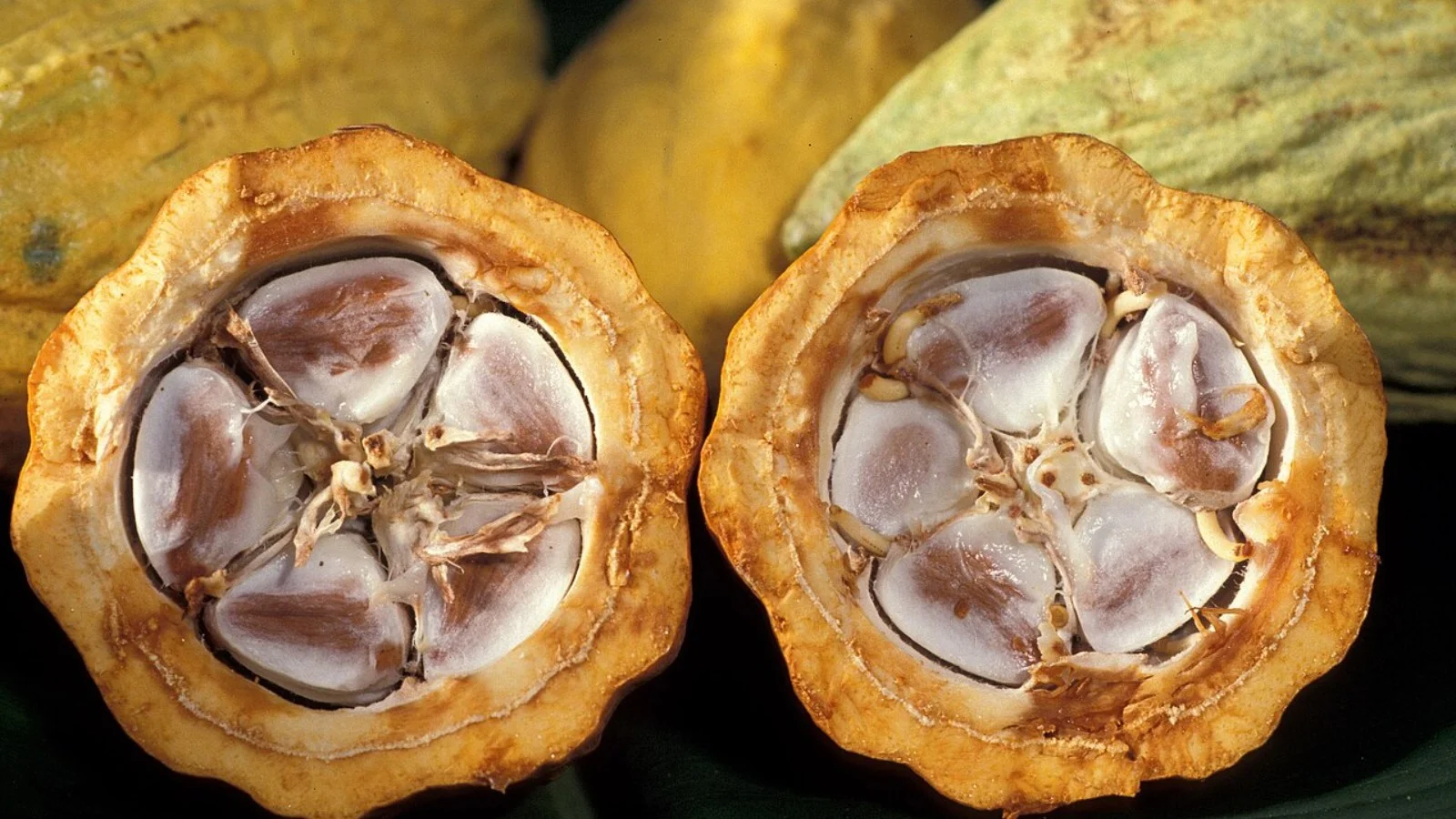
Photo: Cacao pod, Keith Weller, USDA ARS (public domain).
Featured image: "File:Cacao-pod-k4636-14" by Keith Weller, USDA ARS, Public domain (cropped), via Wikimedia Commons. Consumer Reports; UC Davis Health; ConsumerLab; NPR























Comments 0
Leave a Comment
💬
No comments yet. Be the first to share your thoughts!