

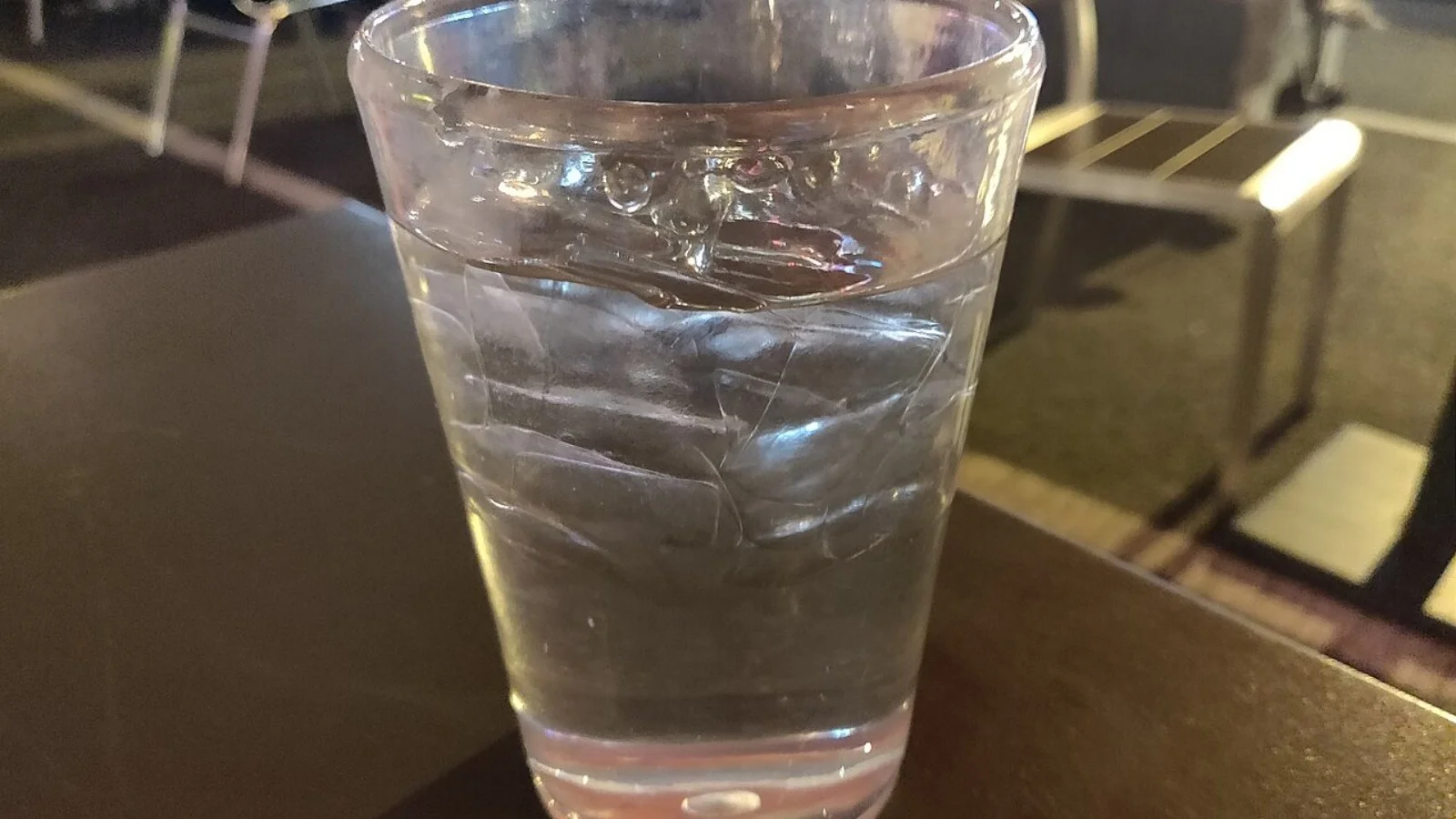
Quick answer: For healthy adults in a temperate climate, the US National Academies of Sciences, Engineering, and Medicine set adequate daily fluid intake at about 3.7 litres (15.5 cups) for men and 2.7 litres (11.5 cups) for women. That is total fluid, including tea, coffee, milk and the water in food, which provides about 20% of it. A practical check: if you rarely feel thirsty and your urine is pale yellow, you are probably drinking enough.
Last updated: 29 November 2026
This article is general information, not medical advice. People with heart failure or kidney disease may be told to limit fluids; follow your doctor's advice.
How much water do you need each day?
| Group | Total fluid per day (food + drinks) | From drinks (approx.) |
|---|---|---|
| Men | 3.7 L (15.5 cups) | about 3 L (13 cups) |
| Women | 2.7 L (11.5 cups) | about 2.2 L (9 cups) |
| Pregnant or breastfeeding | Usually more; ask your midwife or doctor | — |
| Hot weather, exercise, illness with fever, vomiting or diarrhoea | More than usual | — |
These figures are "adequate intakes" based on what healthy people typically drink, not strict targets. Some people do fine with less.
Is the "8 glasses a day" rule true?
Not exactly. Eight 8-ounce glasses (about 2 litres) is easy to remember, but there is no strong scientific basis for that specific number. Your needs depend on body size, activity, climate, diet and health.
What are the benefits of drinking enough water?
- Regulates body temperature, especially during exercise and heat.
- Carries nutrients and helps kidneys flush out waste.
- Helps prevent constipation, together with fibre.
- Cushions joints and protects tissues.
- Even mild dehydration can cause tiredness, headaches and poorer concentration.
What are the signs of dehydration?
| Mild to moderate | Get help urgently |
|---|---|
| Thirst, dry mouth | Confusion or extreme sleepiness |
| Dark yellow urine, peeing less | No urine for many hours |
| Headache, tiredness, dizziness | Fast heartbeat, fainting |
| Constipation | Severe vomiting or diarrhoea, especially in babies and older people |
Can you drink too much water?
Yes, though it is rare. Drinking very large amounts in a short time can dilute the sodium in your blood, a condition called hyponatremia, which can be life-threatening. Endurance athletes are most at risk; drink to thirst and use electrolyte drinks during long events.
What counts toward your daily fluids?
Water is best, but milk, tea, coffee and soups count too, and fruits and vegetables such as watermelon and cucumber are mostly water. Sugary drinks add calories. For other drinks, see our guides to coconut water, lemon water and green tea.
Photo: Kurt Kaiser (CC0).
Featured image: "Glass of water ouside" by Kurt Kaiser, CC0 (cropped), via Wikimedia Commons. Mayo Clinic; US National Academies of Sciences, Engineering, and Medicine; Healthline




















Comments 0
Leave a Comment
💬
No comments yet. Be the first to share your thoughts!