

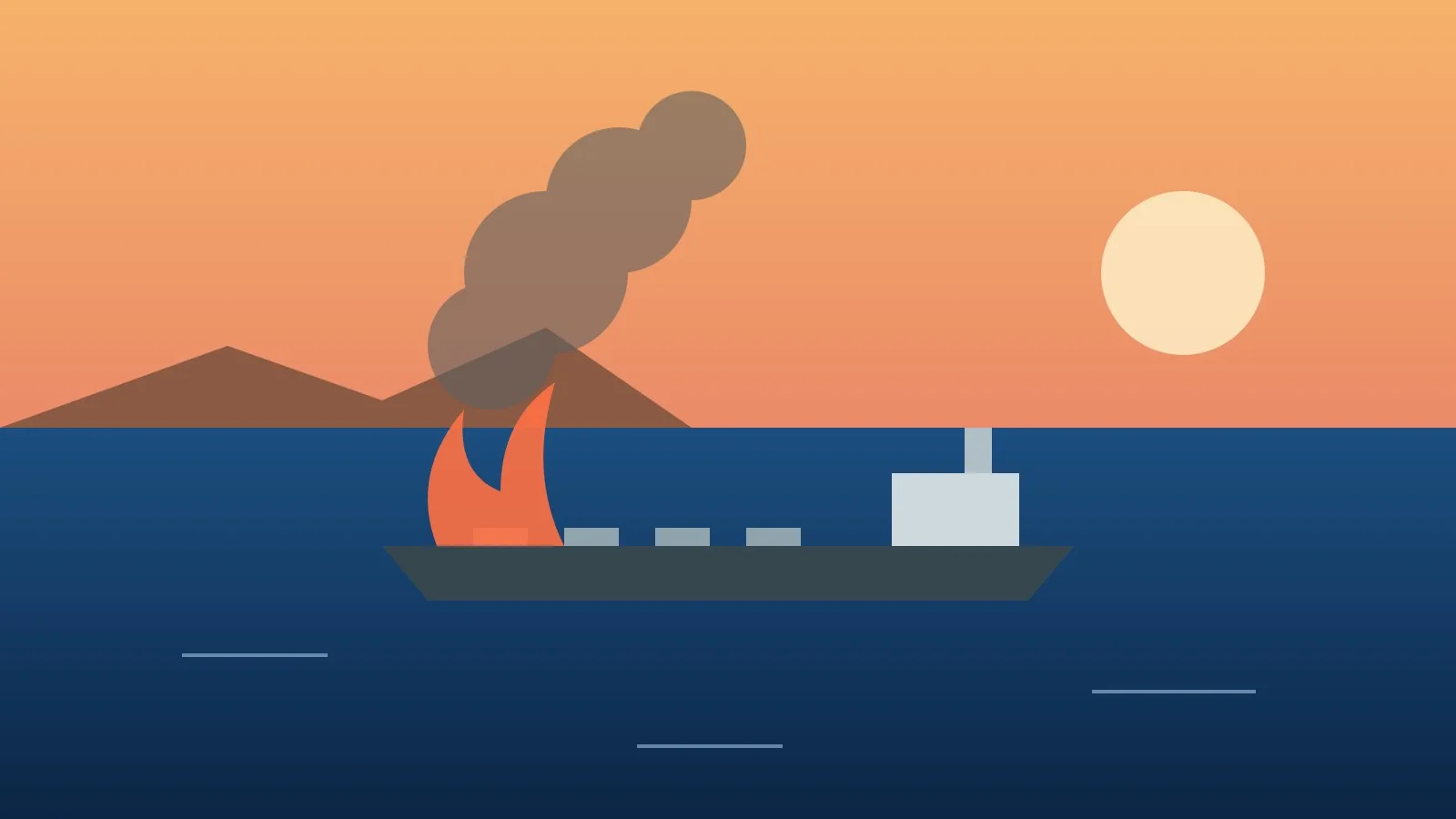
In short: Reported attacks on ships in and around the Strait of Hormuz have reached their highest levels since the Iran war began in late February 2026, according to a CNN analysis of maritime data. At least three more tankers were struck as they left the strait on Friday and Saturday, 20–21 November. Analysts say Iran is trying to reassert its control over the waterway as oil prices fall.
The latest attacks
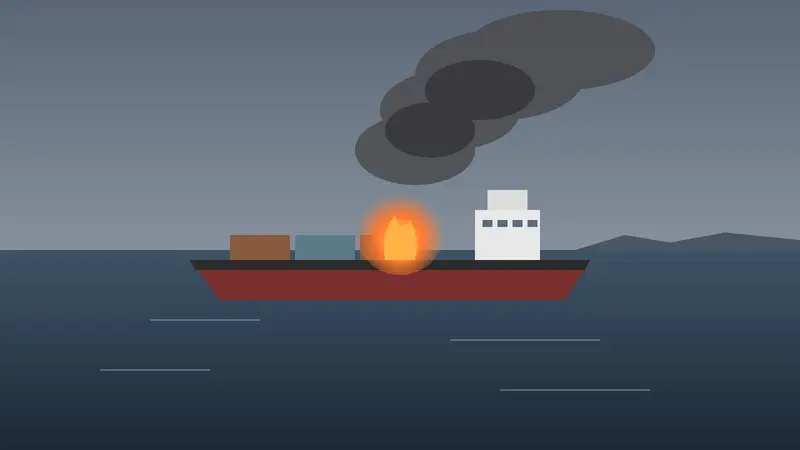
- Captain Leon, a Marshall Islands-flagged chemical and oil tanker, was struck at the bow on Friday, causing a fire. All crew were reported safe.
- Torkel, a Hong Kong-flagged crude tanker, was hit in the stern on Saturday and caught fire.
- Arina, also Hong Kong-flagged, was struck in the engine room by a missile less than an hour later.
Maritime risk company Marisks did not confirm who carried out the attacks, but said Iranian involvement was "assessed as likely". It warned of a continued critical threat in the "southern corridor" near Oman, a shipping route Iran opposes. Iran's military, for its part, has often blamed incidents on sea mines rather than drones or missiles.
Attacks at a record pace
According to CNN's analysis of data from the UK Maritime Trade Operations (UKMTO):
- Before October, the region averaged about 10 reported attacks a month.
- In October, the number rose to more than 30, the first time that had happened since the war began.
- By Sunday 22 November, at least 22 attacks had been reported in November, already the second-highest monthly total of the war.
The International Maritime Organization also identifies October as the worst month for confirmed incidents this year.
Why now?
The surge comes as Iran appears to be losing leverage. The United States has kept up its naval blockade of Iranian ports, and data firm Kpler reported in late October that Iranian oil on the water outside the blockade zone had fallen to zero, warning that Iran's oil revenues could fall to zero by mid-December. Meanwhile, Gulf producers have found ways to get their ships through the strait.
Experts say Iran could escalate attacks to try to force concessions from Washington. US President Donald Trump said earlier this month that the US does not "need a deal" with Iran, but later said he would not hesitate to resume strikes if necessary.
What it means for oil prices
Surprisingly, oil prices have been falling. The International Energy Agency attributes the decline mainly to a recovery in exports from the Gulf. Prices also eased after the US midterm elections reduced fears of new US military action. But analysts warn this calm may not last. Hamidreza Azizi of the International Crisis Group said markets assume a return to full-scale war is unlikely, but that this could change quickly if Iran decides to intensify the confrontation.
Why the Strait of Hormuz matters
The Strait of Hormuz, between Iran and Oman, is one of the world's most important energy chokepoints, carrying a large share of the world's seaborne oil and liquefied gas. Any disruption affects fuel prices, shipping costs and supply chains around the world, from Europe to South Asia.
The attacks are also taking an environmental toll. Last week, British swimmer Lewis Pugh swam through the strait to highlight the damage burning tankers and spilled fuel are doing to marine life.
Featured image: AI-generated illustration. Sources: CNN analysis of UKMTO data, Marisks, Kpler and the International Energy Agency, as reported on 22–23 November 2026.
















Comments 0
Leave a Comment
💬
No comments yet. Be the first to share your thoughts!