

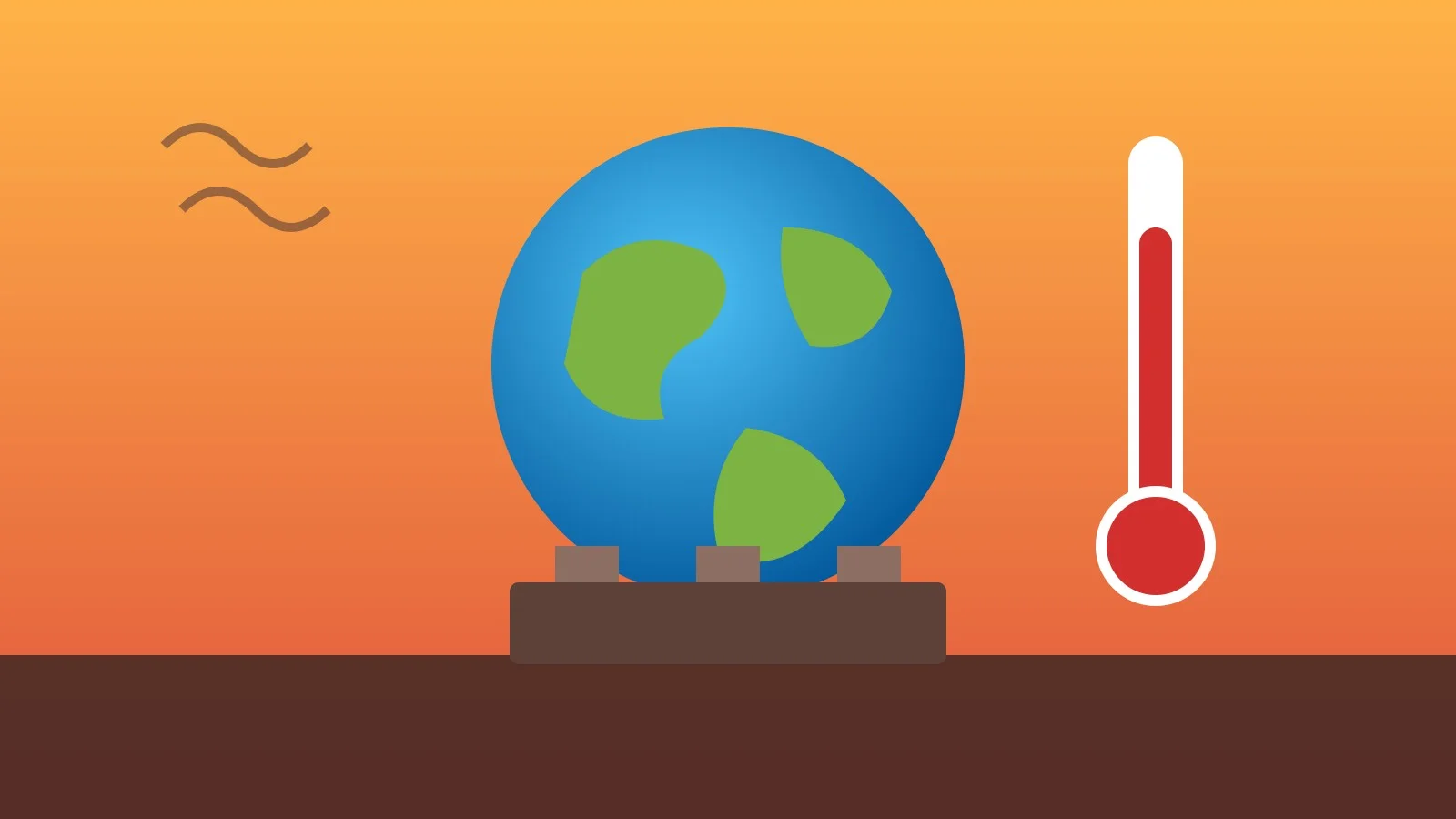
In short: The UN's COP31 climate conference in Antalya, Türkiye, ended on Sunday 22 November 2026 without an overarching agreement. The European Union, the United Kingdom and several other groups refused to accept a final draft that did not mention fossil fuels. Observers say it is the first UN climate summit to finish without a headline deal since Copenhagen in 2009.
What happened in Antalya?
COP31 was held at the Antalya Expo Center and was scheduled to run from 9 to 20 November. Türkiye hosted the summit, with Australia as co-host leading parts of the negotiations. As talks stalled, the conference ran almost two extra days, making it the longest COP on record.
The final draft, put forward by the presidency, focused on broad goals such as electrification but did not mention coal, oil and gas, and gave few specifics on climate finance. For many countries, that was a step backwards from COP28 in Dubai in 2023, where nations agreed for the first time to "transition away" from fossil fuels.
Who rejected the deal?
- The European Union: Ireland, which holds the rotating EU presidency, said the bloc would not back a cover decision that left out fossil fuels, which it called the key driver of climate change.
- The UK, Panama and others also opposed the text.
- Pacific island nations, including Tuvalu, criticised what they described as a lack of engagement and transparency.
- Egypt and African negotiators were also unhappy with the process. Egypt said it would work to rebuild momentum.
What did the summit leaders say?
COP31 President Murat Kurum of Türkiye said there was "nothing more to be done" and argued that some countries had fixated on single words, adding that the decision lay with all 196 parties. Australia's Chris Bowen, who co-led the talks, called the outcome very disappointing. UN Secretary-General António Guterres warned that emissions remain far too high and that every delay makes the task harder and more costly. The World Resources Institute described the result as a failure of political leadership.
Why does this matter?
- The 1.5°C goal: Many scientists and negotiators fear the world is heading towards overshooting the Paris Agreement's 1.5°C warming limit. A summit with no clear message on fossil fuels makes that harder to avoid.
- Momentum: COP summits only work by consensus. A public failure can weaken trust between rich and poor countries, especially on climate finance.
- Energy shocks: The talks took place during a major energy crisis linked to the Iran war, which has disrupted oil and gas shipments through the Strait of Hormuz. That backdrop made the debate over fossil fuel language even more charged.
What happens next?
The Paris Agreement and existing national climate plans remain in force; a failed cover decision does not cancel earlier commitments. Countries will now look towards next year's COP32 and the interim UN climate meetings in Bonn to try to rebuild consensus. Campaign groups are already calling for stronger national action and for major emitters to come back to the table with clearer plans to phase down coal, oil and gas.
Featured image: AI-generated illustration. Sources: UN News, AFP, Reuters, The National and other reports from 22 November 2026.

















Comments 0
Leave a Comment
💬
No comments yet. Be the first to share your thoughts!