

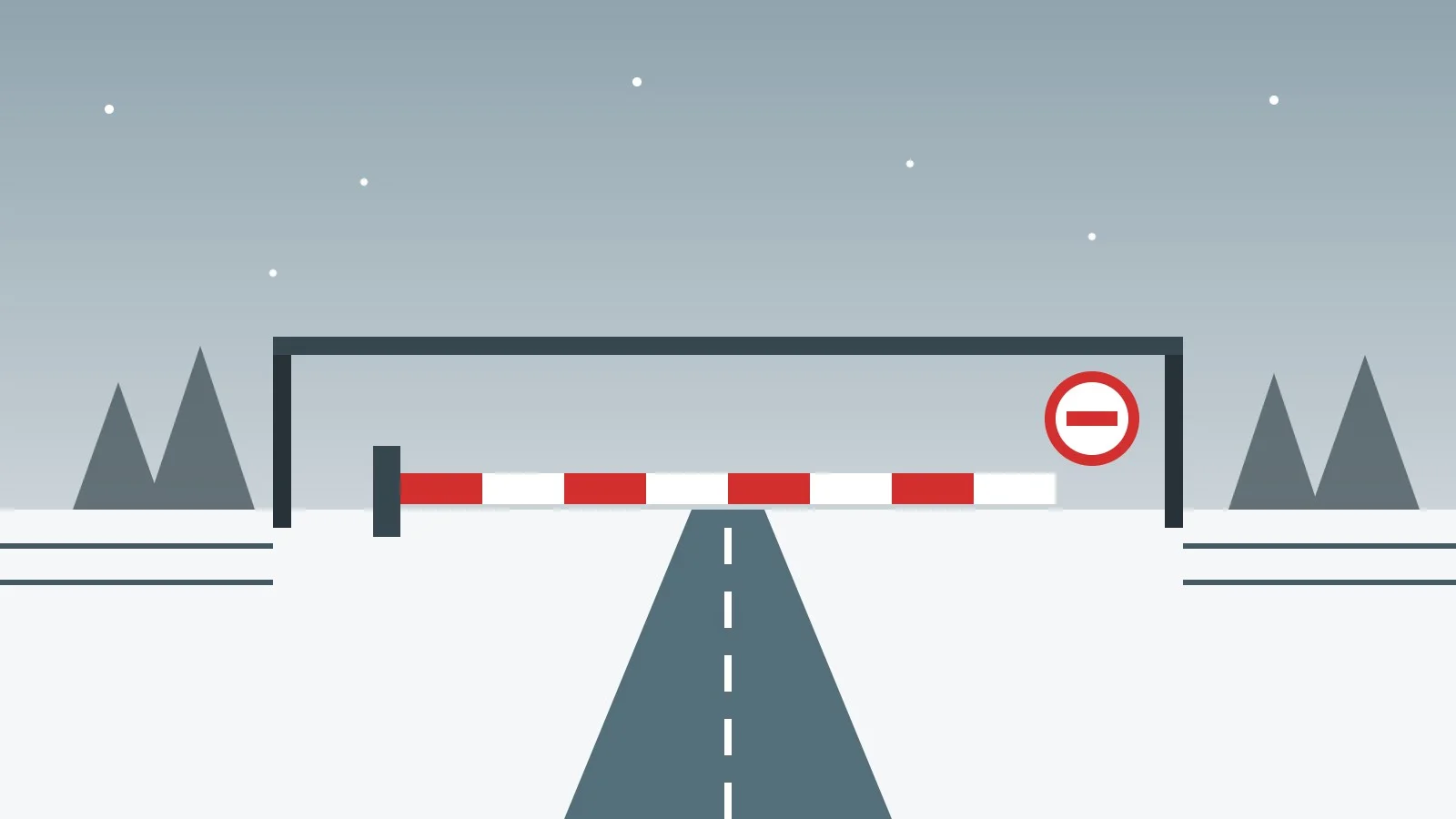
In short: Estonia will close all five of its road border crossings with Russia from 1 December 2026, initially for six months. The government announced the move on 20 November, citing security threats after an alleged Russian-backed arson attempt on an Estonian drone company. Moscow has called the decision a "new Iron Curtain" and promised to respond.
Which crossings are closing?
All five road checkpoints on the Estonian–Russian border will stop handling road crossings:
- Narva-1 and Narva-2 (Narva–Ivangorod)
- Koidula
- Luhamaa
- Saatse
Rail freight is expected to continue under existing restrictions and customs checks. The government says it will review the situation after six months and decide whether to extend or change the measure.
Why is Estonia closing the border?
The decision follows an attempted arson attack on 14 November at the premises of drone maker Threod Systems in Viimsi, near Tallinn. Estonia's Internal Security Service says Russia's military intelligence agency, the GRU, was behind it. Eight Latvian citizens were detained, and investigators believe they were recruited for the operation. Company security staff stopped the attack before serious damage was done. Estonia says it was the second such incident this year.
Interior Minister Igor Taro said closing the crossings would help limit Russia's ability to organise further attacks. Officials also say it will make it harder for Russian intelligence to recruit people crossing the border and help stop sanctions evasion.
How has Russia reacted?
Kremlin spokesman Dmitry Peskov rejected the allegations as unfounded. Foreign Ministry spokeswoman Maria Zakharova accused Estonia of violating Russian citizens' rights, compared the closure to building a new Iron Curtain, and said Russia would take political and diplomatic countermeasures.
What it means for people on both sides
The biggest impact will be felt in Narva, Estonia's third-largest city, which sits directly across the river from the Russian town of Ivangorod. Families, workers and shoppers have crossed here for generations. Russia already halted vehicle traffic at the Narva crossing in February 2024, but pedestrians kept crossing.
- Fewer crossings already: Annual crossings fell from more than 4 million before 2022 to around 760,000 in 2026, with about 447,000 of them at Narva–Ivangorod.
- Rush before the deadline: Reports describe people queuing in Ivangorod with suitcases to cross before 1 December.
- Humanitarian appeals: Narva's mayor, Jaan Toots, has asked the government to consider exemptions, for example for visiting elderly relatives or attending funerals, and has warned of losses for local hotels, restaurants and businesses.
- Longer journeys: Travellers will have to go via Latvia or fly, making trips longer and more expensive.
The bigger picture
Estonia's move continues a trend along NATO's eastern edge. Finland has already closed its land border with Russia, while Latvia and Lithuania have kept some routes open under tighter rules. The closure also comes as the war in Ukraine increasingly spills over into the Baltic region, including a drone strike on a Russian military-linked cargo ship that drifted into Finnish waters this week.
Featured image: AI-generated illustration. Sources: Euronews, Reuters/NBC News, Al Jazeera and TASS reports from 20–22 November 2026.













Comments 0
Leave a Comment
💬
No comments yet. Be the first to share your thoughts!