

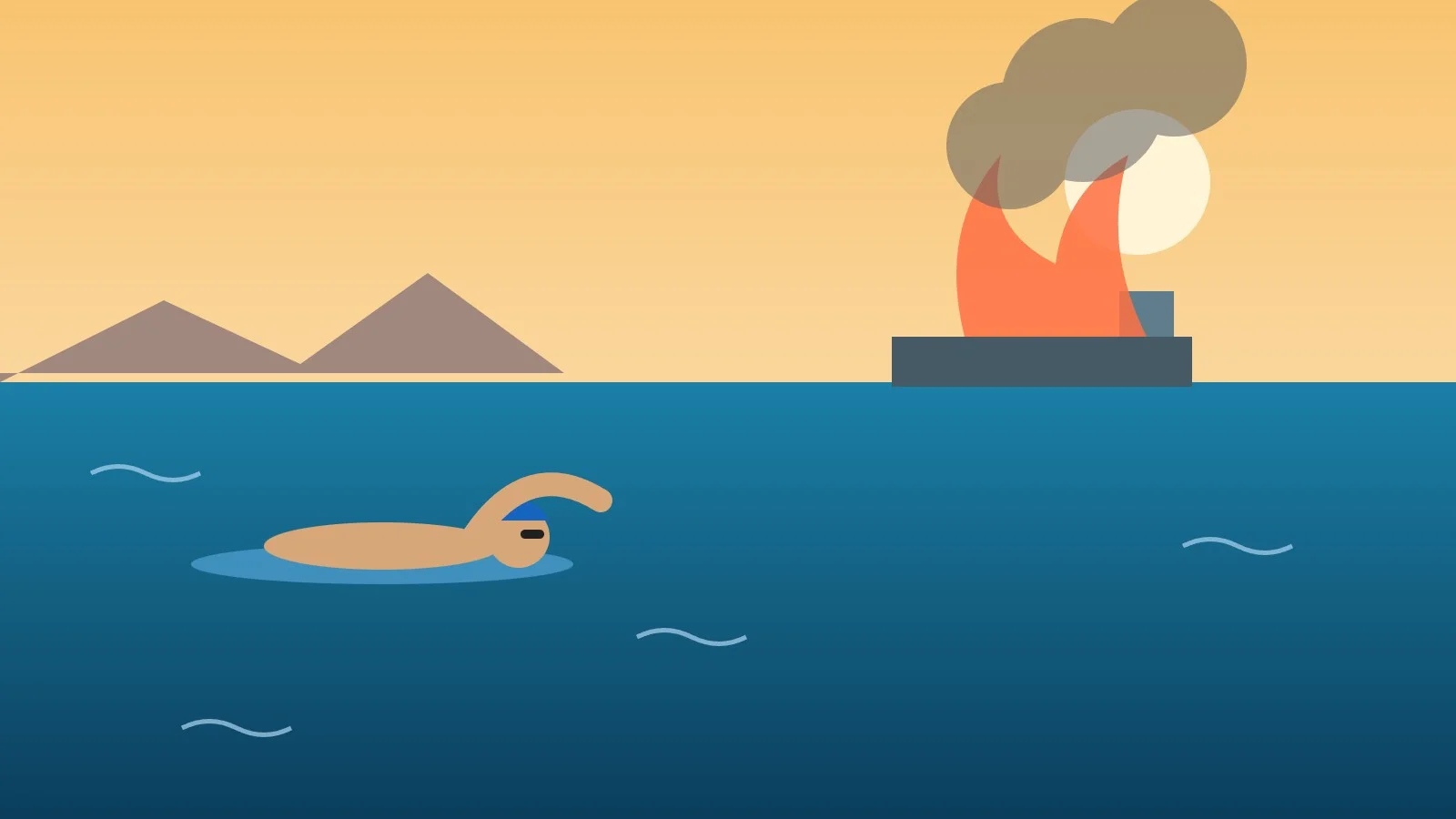
In short: British endurance swimmer Lewis Pugh, the UN Environment Programme's Patron of the Oceans, has swum about 15 km (9.3 miles) through the Strait of Hormuz over three days, while oil tankers were being attacked nearby. His aim: to show the world that this waterway is not only an energy route but a living sea, and that the Iran war is damaging it.
The swim
Pugh, 56, set off on 15 November 2026 from the Musandam Peninsula in Oman, at the southern tip of the strait. Wearing only swimming trunks, goggles and a cap with the United Nations logo, he swam in stages over three days and finished by rounding the Cape of Hormuz.
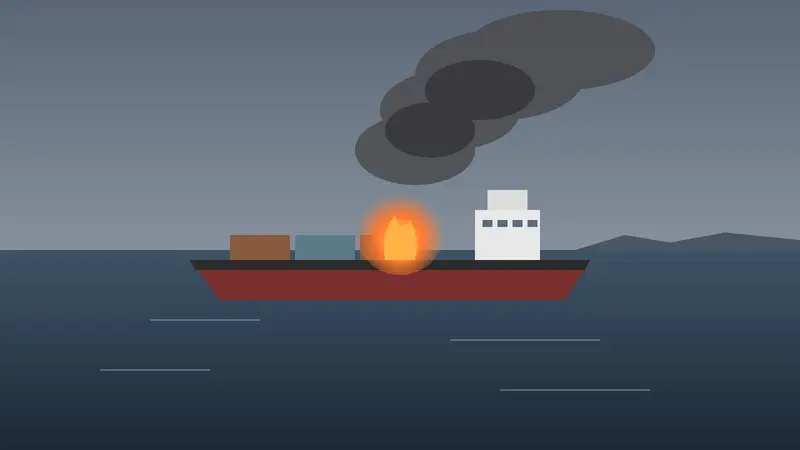
It was unlike any of his previous challenges. Pugh has swum at the North Pole, in Antarctic meltwater lakes and in every ocean on Earth, but this time the danger came from war rather than cold. Reports say an oil tanker was struck a few kilometres away within about half an hour of his first swim. Over the following days he saw more ships attacked and engulfed in flames, and described a strong chemical smell in the water. He told reporters that around one burning ship, the water itself was on fire.
Why the Strait of Hormuz?
The Strait of Hormuz is one of the world's most important shipping lanes, carrying a large share of global oil and gas. Since the Iran war began on 28 February 2026, more than 130 attacks on commercial ships have been reported in the region, and shipments through the strait have fallen sharply. The International Energy Agency has described the war as the largest disruption ever to global oil and gas trade.
Pugh wanted to shift attention from oil prices to the environment. Burning tankers, spilled fuel, sea mines and wreckage can poison marine habitats along the coasts of Oman, Iran and the UAE, which are home to a rich range of sea life.
His message
Pugh summed up his demands in three short sentences: "Stop the fighting. Open the Strait. Clean up the pollution." He has used swims for decades to push for ocean protection, including campaigning that helped create the huge Ross Sea marine protected area in Antarctica in 2016.
Why it matters
- Hidden cost of war: Environmental damage from conflict often gets little attention while fighting continues, but it can last for decades.
- Global impact: Pollution in a narrow, busy strait can affect fisheries, coastal communities and desalination plants that supply drinking water in the Gulf.
- Timing: The swim came in the same week that the COP31 climate summit in Türkiye ended without a deal, adding to pressure on governments to treat ocean and climate protection as urgent.
Featured image: AI-generated illustration. Sources: AP, The National, ABC News and other reports from November 2026.


















Comments 0
Leave a Comment
💬
No comments yet. Be the first to share your thoughts!