Manaslu Circuit Trek: Complete Guide to Nepal's Best Off-the-Beaten-Path Adventure (2026)
Photo By Pixabay
✈ Travel Moderate to Challenging

Manaslu Circuit Trek: Complete Guide to Nepal's Best Off-the-Beaten-Path Adventure (2026)

Ramesh Sapkota Ramesh Sapkota
· July 29, 2026 · ⏱ 6 min read · 👁 3 views
📍
Location
Gorkha & Manang Districts, Nepal, Nepal
Duration
14–18 Days
🥾
Type
Trekking
⛰️
Max Altitude
(5,106 m / 16,752 ft)
🎯
Difficulty
Moderate to Challenging
🗓️
Best Season
March–May & September–November

Planning the Manaslu Circuit Trek? Discover the complete 2026 guide including itinerary, permits, costs, best season, weather, accommodation, packing list, safety tips, and everything you need for an unforgettable trek around Mount Manaslu in Nepal.

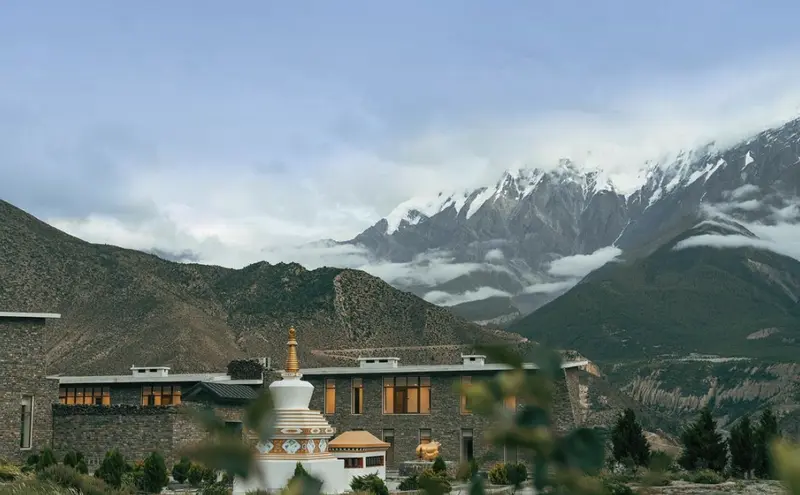
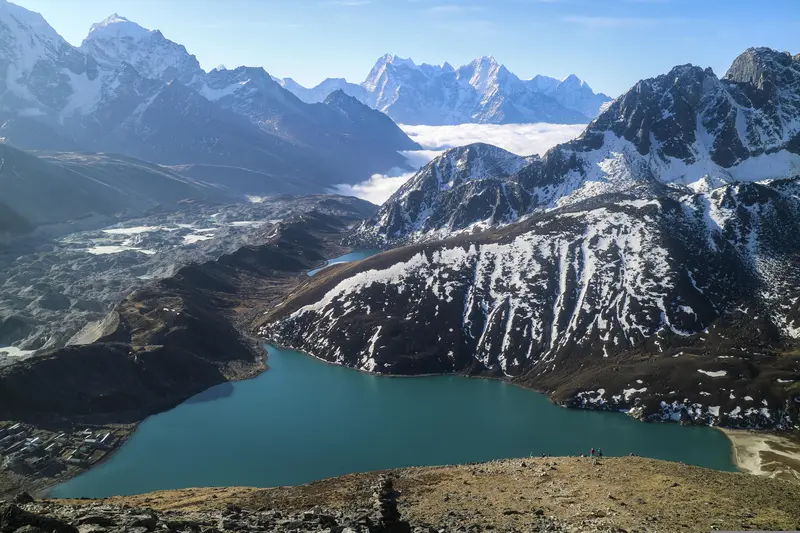
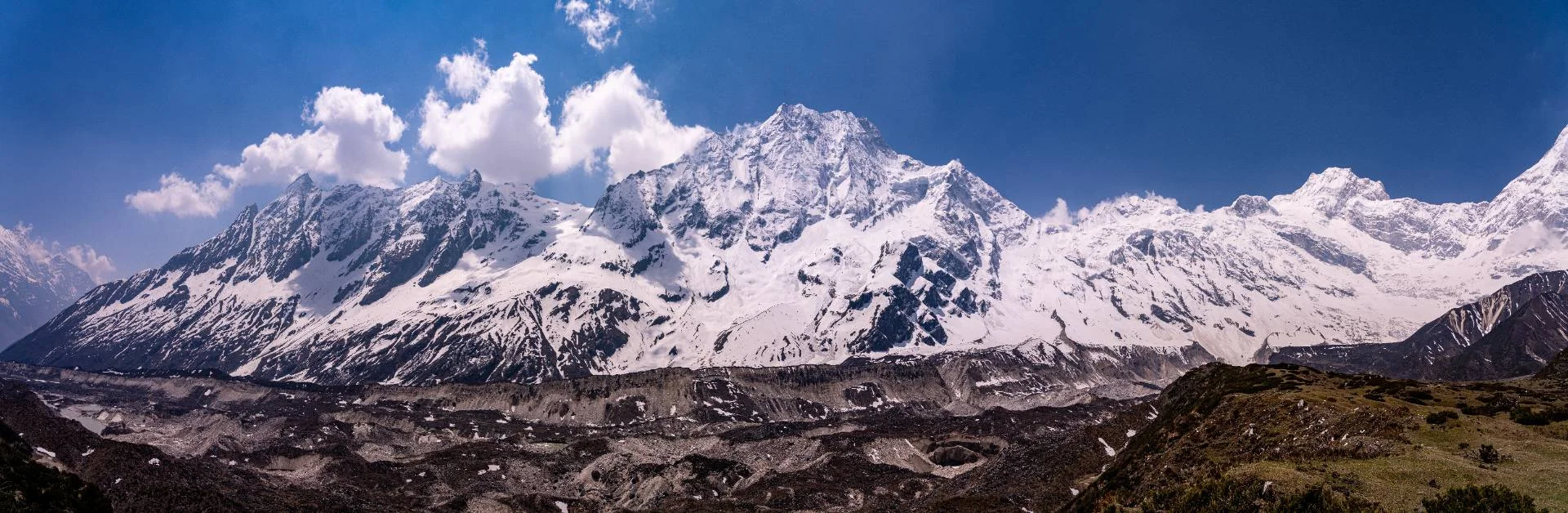
he Manaslu Circuit Trek is one of Nepal's most spectacular long-distance trekking routes, circling Mount Manaslu (8,163 m)—the world's eighth-highest mountain. Often described as the quieter alternative to the Annapurna Circuit, this trek combines breathtaking Himalayan landscapes, authentic Tibetan-influenced villages, ancient monasteries, glacier-fed rivers, and the thrilling crossing of Larke Pass (5,106 m).

Unlike the busier Everest and Annapurna regions, the Manaslu Circuit remains relatively untouched due to its restricted area status. Trekkers experience pristine nature, fewer crowds, and a deeper connection with local Gurung, Nubri, and Tibetan cultures.

Over approximately 14 to 18 days, the trail follows the Budhi Gandaki River through lush forests, waterfalls, suspension bridges, alpine meadows, and high mountain passes before descending into the Annapurna region. Every day offers dramatic changes in scenery—from subtropical valleys to snow-covered peaks.

Whether you're an experienced trekker looking for a challenging Himalayan adventure or someone seeking a less-commercialized route, the Manaslu Circuit delivers one of Nepal's most rewarding trekking experiences.


Why Choose the Manaslu Circuit Trek?

Many travelers ask:

Why choose Manaslu instead of Everest Base Camp or Annapurna Base Camp?

The answer lies in its unique combination of wilderness, culture, and adventure.

Unlike Everest, where helicopter traffic and crowded tea houses are common during peak seasons, Manaslu offers a quieter and more authentic Himalayan experience. The trail passes through traditional villages where daily life has changed little over generations, giving trekkers a rare opportunity to experience local culture away from mass tourism.

Compared to Annapurna, the Manaslu Circuit is more remote and less commercialized. You'll encounter fewer trekkers, enjoy peaceful trails, and witness untouched landscapes that many consider among Nepal's most beautiful.

The trek also features incredible diversity. In just two weeks, you'll travel through subtropical forests, terraced farmland, deep river gorges, alpine meadows, glacial valleys, and the dramatic high-altitude crossing of Larke Pass.

If you're looking for a trek that combines breathtaking scenery, physical challenge, rich cultural heritage, and a genuine sense of exploration, the Manaslu Circuit stands out as one of the best choices in the Himalayas.


Trek Highlights

  • Trek around the world's 8th highest mountain (8,163 m)
  • Cross the spectacular Larke Pass (5,106 m)
  • Experience authentic Tibetan Buddhist culture
  • Visit centuries-old monasteries
  • Walk through remote Himalayan villages
  • Enjoy fewer crowds than Everest and Annapurna
  • Explore Manaslu Conservation Area
  • Witness glaciers, waterfalls, rivers, and alpine forests
  • Spot Himalayan wildlife including blue sheep and Himalayan tahr
  • Stay in traditional Nepalese tea houses
  • Experience breathtaking sunrise and sunset mountain views

Quick Facts

InformationDetails
CountryNepal
RegionGorkha & Manang
Trek Duration14–18 Days
Maximum Elevation5,106 m (Larke Pass)
Highest MountainMount Manaslu (8,163 m)
Trek DifficultyModerate to Challenging
AccommodationTea Houses
Best SeasonsSpring & Autumn
Average Walking Hours6–8 Hours Daily
Required GuideMandatory
Permit RequiredYes
Solo Trek AllowedNo
Start PointMachha Khola
End PointDharapani
Total DistanceApproximately 177 km (110 miles)

Where is the Manaslu Circuit Trek?

The Manaslu Circuit lies in north-central Nepal, near the border with Tibet (China). The trekking route circles the Manaslu massif within the Manaslu Conservation Area, one of Nepal's most biodiverse protected regions.

The journey begins in Machha Khola, following the Budhi Gandaki River northward through traditional mountain villages. As trekkers gain altitude, the landscape gradually transforms from lush green hills to dramatic alpine valleys and glacial terrain.

After crossing the iconic Larke Pass, the trail descends into the Annapurna region, ending in Dharapani, where road access is available.

This unique route offers a complete Himalayan journey through multiple climate zones, diverse ecosystems, and culturally rich settlements.


Difficulty Level

Rating: 8/10

The Manaslu Circuit is considered a moderately challenging to strenuous trek. While it doesn't require technical climbing skills, trekkers should be prepared for long hiking days, steep ascents and descents, rugged terrain, and high altitude.

Major Challenges

  • Walking 6–8 hours per day
  • High-altitude trekking above 5,000 meters
  • Crossing Larke Pass
  • Cold temperatures at higher elevations
  • Limited medical facilities
  • Remote villages with fewer modern amenities

A good level of physical fitness, endurance, and proper acclimatization are essential for completing the trek safely.


Is the Manaslu Circuit Suitable for Beginners?

Yes—but only if you are well-prepared.

Beginners who maintain a regular fitness routine and allow sufficient time for acclimatization can successfully complete the trek. Prior hiking experience is helpful but not mandatory.

Training at least two to three months before your trip, focusing on cardio, leg strength, and endurance, will greatly improve your trekking experience.


Best Time to Visit

The Manaslu Circuit can technically be trekked throughout the year, but two seasons provide the best weather and trail conditions.

Spring (March–May) ?????

Spring is one of the most popular times to trek the Manaslu Circuit. Temperatures are mild, rhododendron forests are in full bloom, and mountain views are generally clear. Wildlife is also more active during this season.

Pros:

  • Comfortable temperatures
  • Blooming flowers
  • Clear mountain views
  • Longer daylight hours

Cons:

  • Slightly busier trails
  • Popular tea houses may fill quickly

Autumn (September–November) ?????

Autumn offers the clearest skies and the most stable weather of the year. After the monsoon rains, the landscape is lush and visibility is exceptional, making it ideal for photography.

Pros:

  • Crystal-clear mountain views
  • Stable weather
  • Pleasant daytime temperatures
  • Excellent trail conditions

Cons:

  • Peak trekking season
  • Advance booking recommended

Winter (December–February) ???

Winter brings colder temperatures and snowfall, especially around Larke Pass. While the trails are quieter, heavy snow can make the pass difficult or temporarily impassable.

Suitable for experienced trekkers with proper winter gear.


Monsoon (June–August) ??

The monsoon season is the least recommended time due to heavy rainfall, slippery trails, leeches at lower elevations, and potential landslides.

However, upper valleys often receive less rainfall because of the Himalayan rain shadow effect.

How to Reach the Starting Point

Step 1: Arrive in Kathmandu

Most international travelers arrive at Tribhuvan International Airport in Kathmandu, Nepal's capital city.

Spend at least one day in Kathmandu to prepare, organize permits, and check trekking gear.


Step 2: Drive to Machha Khola

The trek officially begins in Machha Khola.

From Kathmandu, the journey takes approximately 8 to 10 hours by jeep or local bus, depending on road conditions.

The route passes through Arughat and Soti Khola before reaching Machha Khola.

Although the drive is long and bumpy, it offers scenic views of rivers, hills, and rural Nepal.


Step 3: Trek Begins

After an overnight stay in Machha Khola, the adventure officially starts with a hike toward Jagat, gradually entering the Manaslu Conservation Area and the spectacular Himalayan landscapes ahead.


 Estimated Total Cost

Travel StyleEstimated Budget
? Budget TrekkerUS$900–US$1,200
? Mid-Range TravelerUS$1,200–US$1,700
? Premium ExperienceUS$1,700–US$2,200+

 Money-Saving Tips

  •  Join a small group to split guide and transportation costs.
  • Use shared jeeps instead of private vehicles.
  • Carry a reusable bottle with water purification tablets or a filter.
  • Order local meals like Dal Bhat, which are filling and often offer free refills.
  • Charge devices only when necessary to reduce extra fees.
  • Rent trekking gear in Kathmandu instead of buying new equipment.

Trip Highlights

  • 🏔️ Trek around the world's 8th-highest mountain.
  • ⛰️ Cross the iconic Larke Pass (5,106 m).
  • 🌄 Enjoy stunning Himalayan mountain views.
  • 🥾 Experience a peaceful, less-crowded trail.
  • 🏡 Visit authentic Tibetan mountain villages.
  • 🛕 Explore ancient Buddhist monasteries.
  • 🌊 Walk beside the Budhi Gandaki River.
  • 🌿 Trek through the Manaslu Conservation Area.
  • 🦌 Spot rare Himalayan wildlife.
  • 🌺 Hike through rhododendron forests.
  • 💙 Visit the beautiful Birendra Lake.
  • 📸 Capture unforgettable mountain landscapes.
  • 🍛 Taste traditional Nepali and Tibetan food.
  • 🌌 Enjoy spectacular star-filled nights.
  • ❤️ Experience Nepal's hidden Himalayan gem.

🌤️ Weather & Best Time to Visit

Best time to go: March–May & September–November
Spring (March–May)
☀️ 10–20°C |🌙 -2–5°C
Clear,pleasant
Summer (Jun–Aug)
☀️ 15–25°C|🌙 5–12°C
Warm and humid
Autumn (Sept–Nov)
☀️ 8–18°C|🌙 -5–5°C
Crystal-clear skies
Winter (Dec–Feb)
☀️ 5–12°C |🌙 -10–-15°C
Cold and snowy

Day-by-Day Itinerary

Day1

Kathmandu to Machha Khola

Machha Khola

The journey begins with a scenic drive from Kathmandu through rolling hills, river valleys, and traditional villages before reaching Machha Khola, the gateway to the Manaslu region. Along the way, you'll pass through Arughat and Soti Khola while enjoying views of terraced farms and lush countryside. An overnight stay in Machha Khola provides the perfect opportunity to rest before starting the trek.

⛰ Altitude: 930 m (3,051 ft) 🚶 Distance: ~160 km (99 mi) (Drive)
Day2

Machha Khola to Jagat

Jagat

Today's trail follows the Budhi Gandaki River through dense forests, waterfalls, and suspension bridges. The route passes small settlements and natural hot springs before gradually climbing to Jagat, a charming stone-paved village that marks the entrance to the Manaslu Conservation Area.

⛰ Altitude: 1,340 m (4,396 ft) 🚶 Distance: ~22 km (13.7 mi)
Day3

Jagat to Deng

Deng

From Jagat, the trail winds through picturesque Gurung villages, terraced fields, and forests of pine and rhododendron. As the valley narrows, you'll cross several suspension bridges before reaching Deng, a peaceful village where Tibetan culture becomes increasingly evident.

⛰ Altitude: 1,860 m (6,102 ft) 🚶 Distance: ~20 km (12.4 mi)
Day4

Deng to Namrung

Namrung

The ascent continues through bamboo forests, riverside trails, and traditional villages. Prayer flags, mani walls, and chortens become more frequent, reflecting the strong Tibetan Buddhist influence. Namrung rewards trekkers with impressive views of Ganesh Himal and surrounding peaks.

⛰ Altitude: 2,630 m (8,629 ft) 🚶 Distance: ~19 km (11.8 mi)
Day5

Namrung to Lho

Lho

The trail climbs steadily through alpine forests and traditional settlements. As you approach Lho, breathtaking views of Mount Manaslu begin to dominate the landscape. The village is home to the beautiful Ribung Monastery, making it one of the trek's cultural highlights.

⛰ Altitude: 3,180 m (10,433 ft) 🚶 Distance: ~11 km (6.8 mi)
Day6

Lho to Samagaon

Samagaon

This scenic section passes through the village of Shyala, surrounded by towering Himalayan peaks. Continuing onward, you'll arrive at Samagaon, the largest village on the trek and a popular acclimatization stop. The area offers spectacular mountain scenery and rich Tibetan Buddhist heritage.

⛰ Altitude: 3,530 m (11,581 ft) 🚶 Distance: ~17 km (10.6 mi)
Day7

Acclimatization at Samagaon

Samagaon

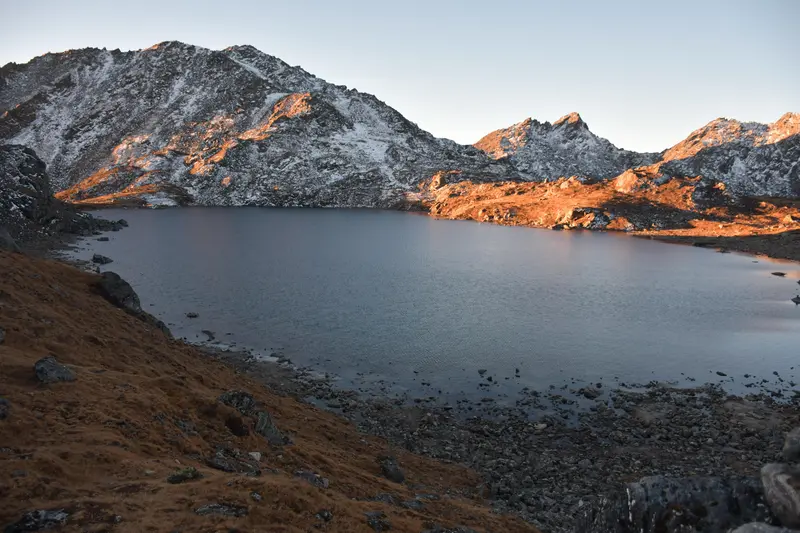
Rather than gaining more sleeping altitude, trekkers typically spend the day exploring nearby attractions. Popular options include a hike to Birendra Lake or Manaslu Base Camp, both offering stunning glacier and mountain views while helping the body adjust to the higher elevation.

⛰ Altitude: Up to 4,800 m (15,748 ft) 🚶 Distance: 8–12 km (5–7.5 mi)
Day8

Samagaon to Samdo

Samdo

The trail follows a wide alpine valley with magnificent views of snow-capped peaks. Samdo is a traditional Tibetan village located close to the Nepal–Tibet border, offering insight into local mountain culture and a peaceful setting for further acclimatization.

⛰ Altitude: 3,875 m (12,713 ft) 🚶 Distance: ~8 km (5 mi)
Day9

Samdo to Dharamsala (Larke Phedi)

Dharamsala (Larke Phedi)

Today's route climbs gradually toward Dharamsala, also known as Larke Phedi, the final stop before crossing Larke Pass. The dramatic alpine landscape and panoramic mountain views make this one of the most memorable sections of the trek.

⛰ Altitude: 4,460 m (14,633 ft) 🚶 Distance: ~12 km (7.5 mi)
Day10

Dharamsala to Larke Pass to Bimthang

Bimthang

This is the most challenging and rewarding day of the trek. An early morning ascent leads to Larke Pass, where panoramic views of Himlung Himal, Cheo Himal, Kang Guru, and Annapurna II await. After spending time at the pass, the trail descends through glacial valleys to Bimthang, surrounded by spectacular mountain scenery.

⛰ Altitude: 5,106 m (16,752 ft) 🚶 Distance: ~24 km (15 mi)
Day11

Bimthang to Tilije

Tilije

Descending from the high alpine zone, the trail passes forests of rhododendron and pine, clear mountain streams, and traditional villages before reaching Tilije. Warmer temperatures and lush vegetation return as you enter the Annapurna region.

⛰ Altitude: 2,300 m (7,546 ft) 🚶 Distance: ~26 km (16.2 mi)
Day12

Tilije to Dharapani

Dharapani

The final trekking day follows gentle trails through picturesque villages and farmland before arriving at Dharapani, where the Manaslu Circuit officially concludes and connects with the Annapurna Circuit route.

⛰ Altitude: 1,960 m (6,430 ft) 🚶 Distance: ~15 km (9.3 mi)
Day13

Dharapani to Kathmandu

Kathmandu

A long but scenic drive returns you to Kathmandu, passing rivers, hills, and rural communities. It's a chance to reflect on the incredible journey through one of Nepal's most remote and beautiful trekking regions.

🚶 Distance: ~230 km (143 mi) (Drive) 9–10 hours

🏨 Where to Stay in Gorkha & Manang Districts, Nepal

Browse all hotels →

Budget Breakdown

Category Estimated Cost
Permits $170–$220
Transportation $80–$150
Licensed Guide $35–$45/day
Porter (Optional) $25–$35/day
Accommodation $15–$25/night
Food & Drinks $40–$55/day
Charging & Wi-Fi $2–$8/day
Hot Shower $2–$5/use
Drinking Water $2–$6/day
Tips (Guide & Porter) $150–$250

Estimated total: $900–$2,200 per person per person. Actual costs vary by season and travel style.

🧭 Travel Essentials

🛂 Visa & Entry Information

Permits Required

Because the Manaslu region is a restricted trekking area, all trekkers must obtain several permits before entering.

1. Restricted Area Permit (RAP)

This mandatory permit is required for the restricted section between Jagat and Samagaon. The cost varies depending on the season and the number of trekking days.

2. Manaslu Conservation Area Permit (MCAP)

Required for entry into the Manaslu Conservation Area, supporting conservation efforts and sustainable tourism.

3. Annapurna Conservation Area Permit (ACAP)

Needed after crossing Larke Pass, as the trail enters the Annapurna Conservation Area before ending at Dharapani.

Important: Independent trekking is not permitted. You must trek with a licensed guide and be part of a registered trekking group, in accordance with current Nepal government regulations.

🚨 Emergency Numbers

Nepal Police
Ambulance
Fire Brigade
National Emergency Hotline
Tourist Police
🚁 Helicopter Rescue (through your insurance/trekking agency)
CIWEC Hospital (Kathmandu)
HAMS Hospital (Kathmandu)
Tribhuvan International Airport

Share this travel guide

Ramesh Sapkota

Written by

Ramesh Sapkota

Comments

✏️ Drop your thoughts

No comments yet. Be the first to share your travel experience!

Related Articles

People Also Read

Popular in Travel

Latest in Travel

Editor’s Choice

Continue Reading

Gallery photo