Torres del Paine
✈ Travel Moderate to Challenging

Torres del Paine

Ramesh Sapkota Ramesh Sapkota
· July 6, 2026 · ⏱ 2 min read · 👁 96 views
📍
Location
Patagonia, Chile, Chile
Duration
W Trek: 4–5 days • O Circuit: 7–9 days • Base Torr
🥾
Type
Multi-day hut-to-hut (refugio)
⛰️
Max Altitude
900 m (2,950 ft)
🎯
Difficulty
Moderate to Challenging
🗓️
Best Season
November to March & October and April

Torres del Paine National Park is one of South America's most spectacular natural destinations, known for its towering granite peaks, turquoise lakes, massive glaciers, and diverse wildlife. Located in Chilean Patagonia, the park attracts hikers, photographers, and nature lovers from around the world. Whether you're planning the famous W Trek, the challenging O Circuit, or simply exploring scenic viewpoints by car, this guide covers everything you need to know to plan an unforgettable visit.

Overview

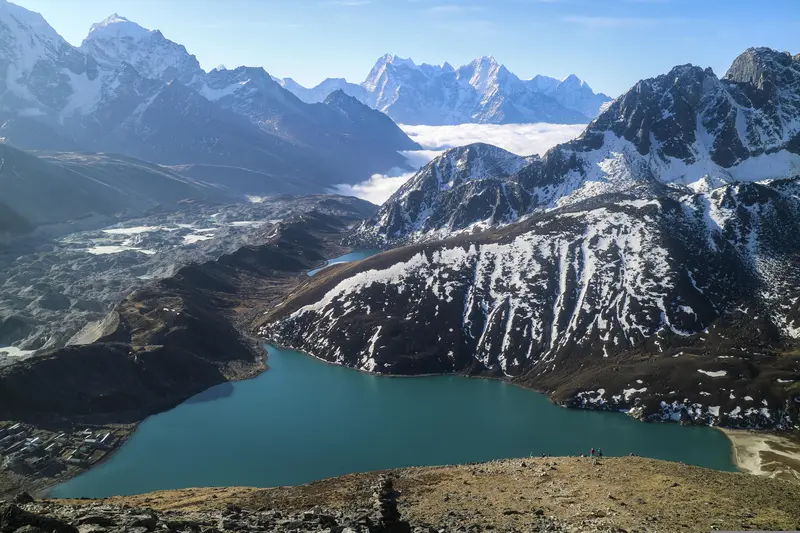
Nestled in the heart of Chilean Patagonia, Torres del Paine National Park is widely regarded as one of the world's finest national parks. Covering more than 240,000 hectares, the park is famous for its dramatic landscapes shaped by glaciers over thousands of years. Towering granite spires rise above emerald forests, while glaciers feed crystal-clear lakes in brilliant shades of blue and turquoise.

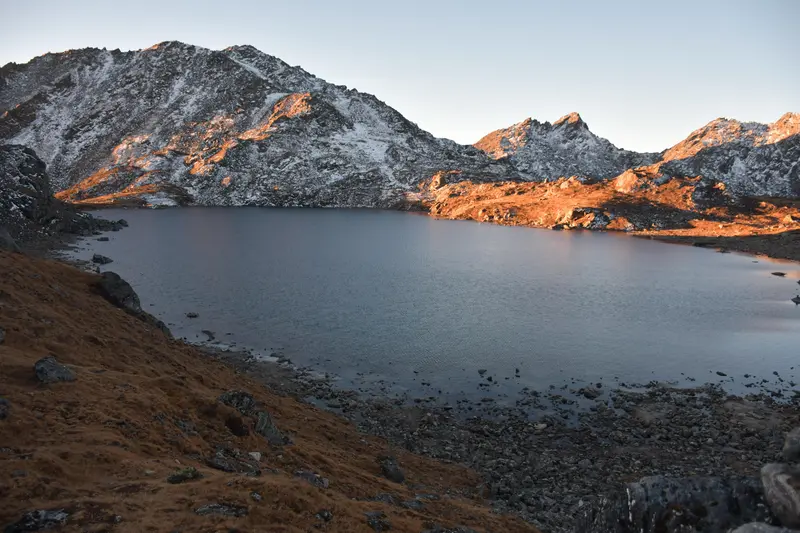
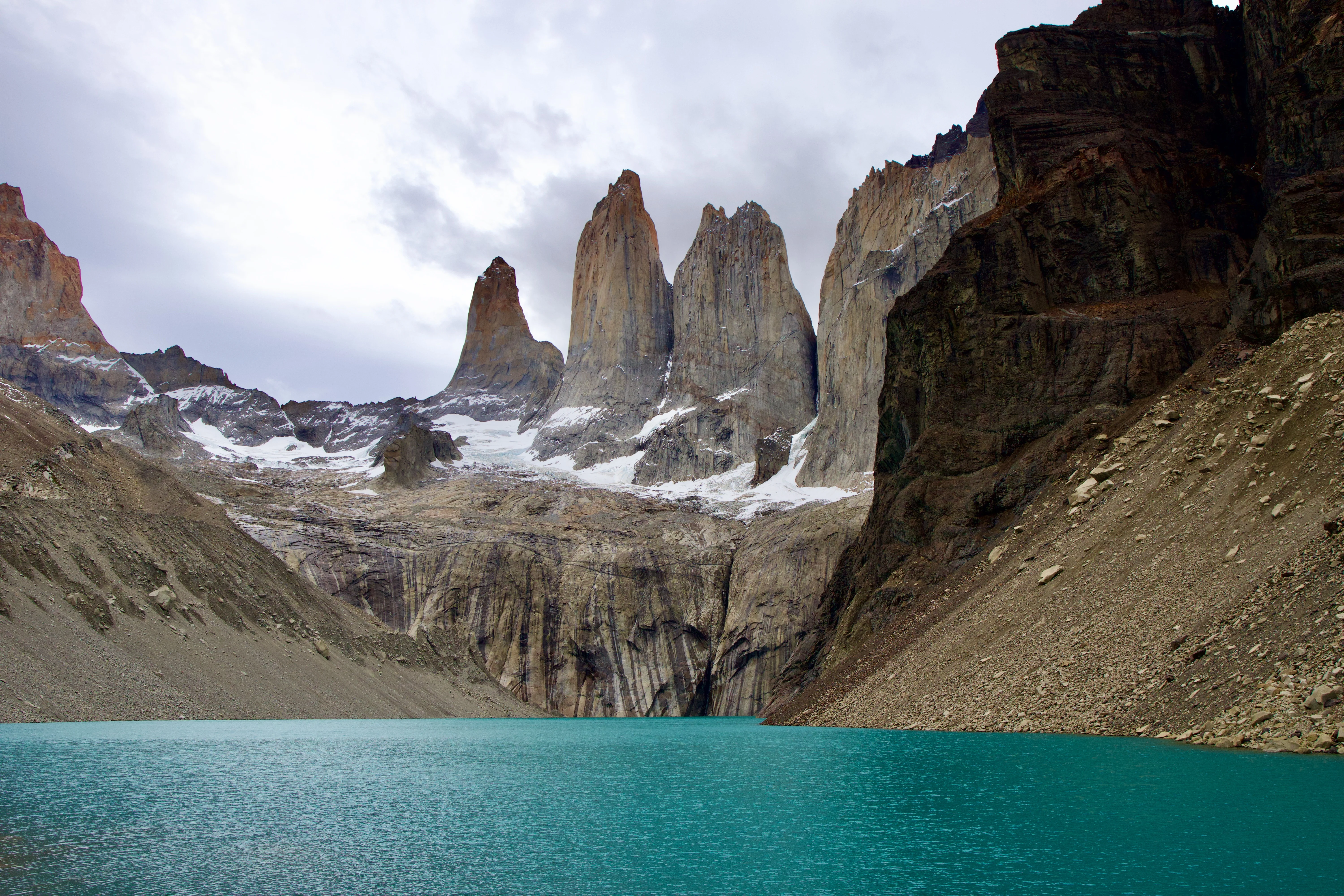
The park's iconic landmark is the trio of granite towers known as the Torres del Paine, which stand over Laguna Torres and provide one of the most recognizable hiking destinations in South America. Beyond the towers, visitors can discover the striking Cuernos del Paine, the expansive Grey Glacier, French Valley, countless waterfalls, rivers, and sweeping grasslands where native wildlife thrives.

Torres del Paine is a paradise for outdoor enthusiasts. Multi-day trekking routes such as the W Trek and the O Circuit consistently rank among the best hikes in the world, while shorter day hikes allow visitors with limited time to experience the park's highlights. Scenic drives also make many viewpoints accessible without extensive hiking.

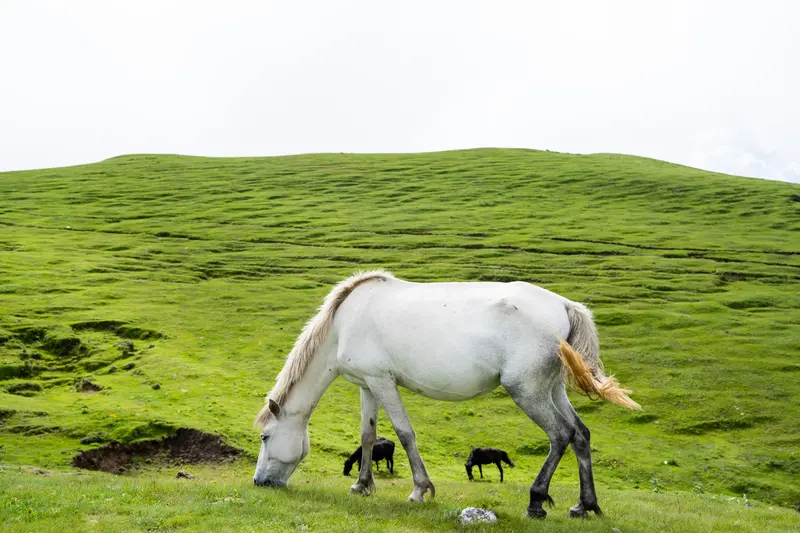
Wildlife is another major attraction. Guanacos roam freely across the plains, foxes are commonly seen along trails, and lucky visitors may even spot the elusive puma. Birdwatchers can observe Andean condors soaring above the mountains along with flamingos, black-necked swans, and numerous other species.

Although the park is open year-round, conditions vary dramatically between seasons. Summer offers longer daylight hours and milder temperatures but attracts the largest crowds. Spring and autumn provide colorful landscapes with fewer visitors, while winter transforms the park into a peaceful snow-covered wilderness suitable for experienced travelers.

Whether you are an experienced backpacker seeking a multi-day expedition or a traveler hoping to enjoy Patagonia's remarkable scenery on a road trip, Torres del Paine offers unforgettable experiences that showcase the raw beauty of southern Chile.
🌤️ Weather & Best Time to Visit

Best time to go: November to March & October and April

Day-by-Day Itinerary

Day1

Puerto Natales to Central Sector

Torres del Paine

Travel from Puerto Natales to Torres del Paine National Park. Register at the park entrance. Settle into your campsite or mountain lodge. Explore nearby viewpoints if time permits.

Day2

Base of the Torres

Torres

Begin an early morning hike toward the iconic Torres del Paine viewpoint. Climb through forests and rocky terrain before reaching Laguna Torres. Return to your accommodation.

Day3

French Valley

French Valley

Travel by ferry or continue along the W Trek. Hike into the spectacular French Valley. Enjoy panoramic mountain views surrounded by hanging glaciers.

Day4

Grey Glacier

Grey Lake

Trek toward Grey Lake. Visit Grey Glacier viewpoints. Optional kayaking or glacier navigation excursions.

Day5

Return to Puerto Natales

Puerto Natales

Complete the final section of the trek. Exit the park. Return to Puerto Natales by bus.

Budget Breakdown

Category Estimated Cost
Park Entrance USD $35–55
Accommodation USD $30–60
Food USD $20–35/day
Equipment Rental USD $15–40/day
Total (5-day trip) USD $600–900

Estimated total: Guided: US$2,500–5,000+ per person. Actual costs vary by season and travel style.

🧭 Travel Essentials

🛂 Visa & Entry Information

How to Get There

Most visitors travel to Puerto Natales, the main gateway to Torres del Paine. Daily buses connect Puerto Natales with the national park during the main trekking season. Travelers can also rent a car for greater flexibility.

Park Entrance

All visitors must purchase a park entrance ticket before or upon arrival. Advance booking is recommended during peak season.

Accommodation

Accommodation options include:

Mountain refugios
Designated campsites
Eco-lodges
Hotels near the park entrance
Hotels in Puerto Natales

Reservations should be made several months in advance for the summer season.

Food

Most refugios offer meals, snacks, and packed lunches. Independent hikers often carry lightweight camping food.

Internet & Mobile Coverage

Mobile reception is limited inside the park. Internet access is available only at selected lodges and is often slow.

Electricity

Electricity is available in refugios and hotels but may have limited charging hours. Carrying a power bank is recommended.

Weather

Patagonian weather changes rapidly. Strong winds, rain, sunshine, and even snow can occur on the same day. Dressing in layers is essential.

Packing Essentials
Waterproof jacket
Waterproof hiking boots
Thermal clothing
Windproof outer layer
Trekking poles
Sunscreen
Sunglasses
Reusable water bottle
Camera
Power bank
Wildlife Safety

Observe wildlife from a distance. Never feed animals or approach pumas or foxes. Follow Leave No Trace principles throughout your visit.

Share this travel guide

Ramesh Sapkota

Written by

Ramesh Sapkota

Comments

✏️ Drop your thoughts

No comments yet. Be the first to share your travel experience!

Related Articles

People Also Read

Popular in Travel

Latest in Travel

Editor’s Choice

Continue Reading

Gallery photo