

Overview
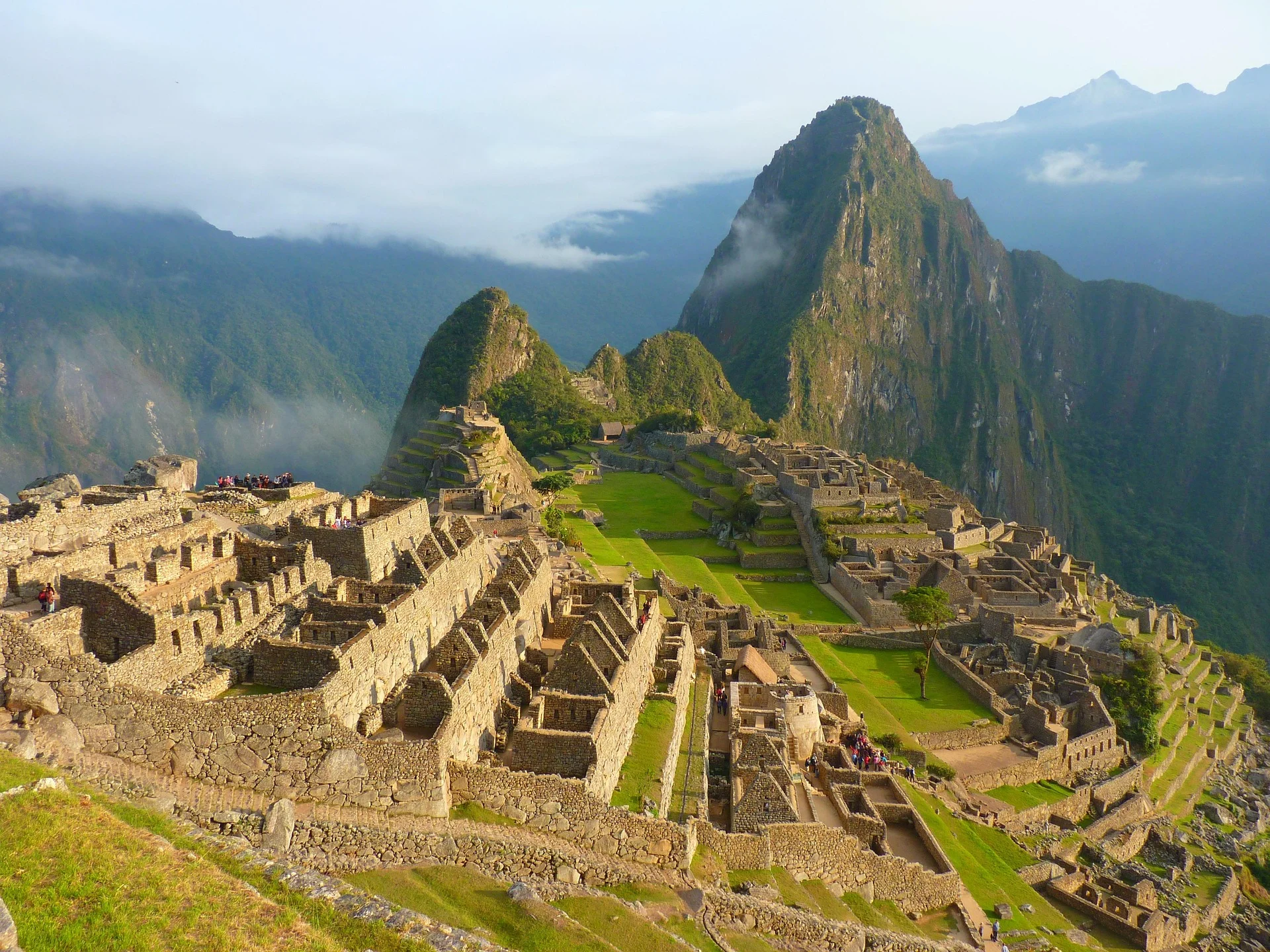
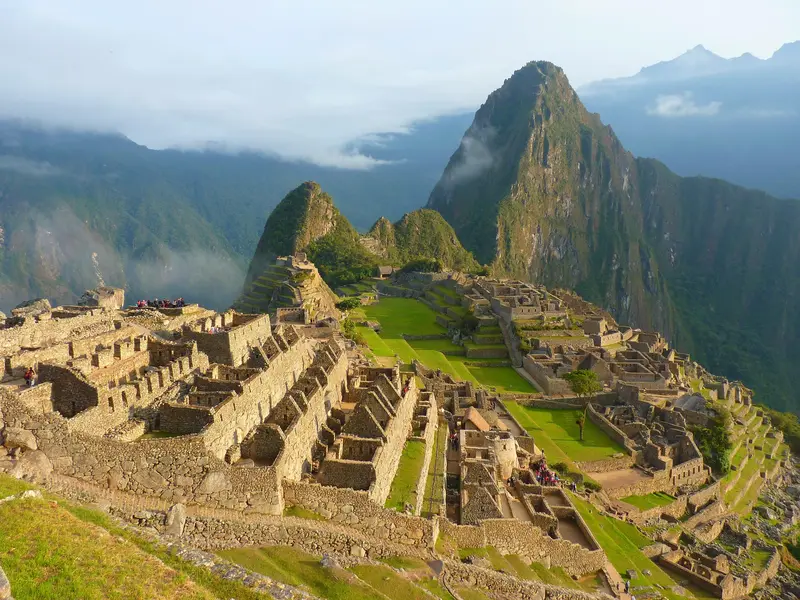
There are a few ways to reach Machu Picchu, and most of them involve a train. The Inca Trail is not one of them. Instead, you walk in — along the same stone route Inca pilgrims used centuries ago — and arrive at the citadel through the Sun Gate (Inti Punku), the way it was meant to be seen. That single detail is what separates the Inca Trail from every other option, and it's why permits for it sell out months in advance every year.
The trek itself runs about 42 kilometers over four days, starting from a trailhead near Km 82 outside Ollantaytambo in the Sacred Valley. It isn't a wilderness walk in the way Nepal's teahouse treks are — this is a heavily regulated, guided experience, with a maximum of around 200 trekkers (plus roughly 300 guides, porters, and cooks) allowed onto the trail each day. You'll camp each night rather than stay in lodges, and everything — tents, food, permits, porters — is arranged through a licensed tour operator, since independent hiking on the trail is illegal.
The first day is a gentle warm-up, following the Urubamba River through farmland and passing the ruins of Patallacta before a steady climb to the first campsite. Day two is the one everyone talks about beforehand and remembers afterward: a long, grinding ascent to Warmiwañusca, or "Dead Woman's Pass," at 4,215 meters — the highest point on the trek and, for most people, the hardest few hours of the trip. What goes up must come down, though, and the trail drops steeply into a second valley before climbing again to a smaller pass.
By day three, the landscape has changed completely. You descend into cloud forest, thick with orchids, hummingbirds, and moss-covered stone, passing a sequence of Inca sites — Runkurakay, Sayacmarca, and Phuyupatamarca — that get more impressive the closer you get to Machu Picchu. This is arguably the most beautiful day of the trek, even though the altitude gain and loss add up to more total climbing than day two.
The final morning starts before dawn. Most groups are up at 3:30 or 4am to reach a checkpoint that opens at first light, then race the short remaining distance to the Sun Gate to catch Machu Picchu emerging out of the mist below. It's a moment that a huge number of trekkers describe as the best fifteen minutes of the entire experience — assuming the weather cooperates, which in the Andes is never guaranteed. From the Sun Gate, it's another hour or so down into the citadel itself, where a guided tour of the ruins caps off the trip before the train back to Cusco.
Physically, the Inca Trail is tough but not extreme. There's no technical climbing, but four consecutive days of hiking at altitude, including one very hard uphill day, means reasonable fitness matters. Regulations here are stricter than almost anywhere else in South American trekking — advance booking (often 5–8 months for peak season), a hard permit cap, mandatory licensed operators, and a full closure every February for trail maintenance. It's bureaucratic in a way Everest Base Camp isn't, but the payoff is a genuinely well-preserved trail and a controlled number of people sharing it with you.
What makes the Inca Trail worth the hassle isn't just Machu Picchu at the end — it's the ruins along the way that most day-trippers never see, the shift from arid mountains to cloud forest in the space of a single day, and the fact that you earn the view through the Sun Gate rather than stepping off a bus for it.
@ImageCredit: https://pixabay.com/











Comments
✏️ Drop your thoughts
No comments yet. Be the first to share your travel experience!