

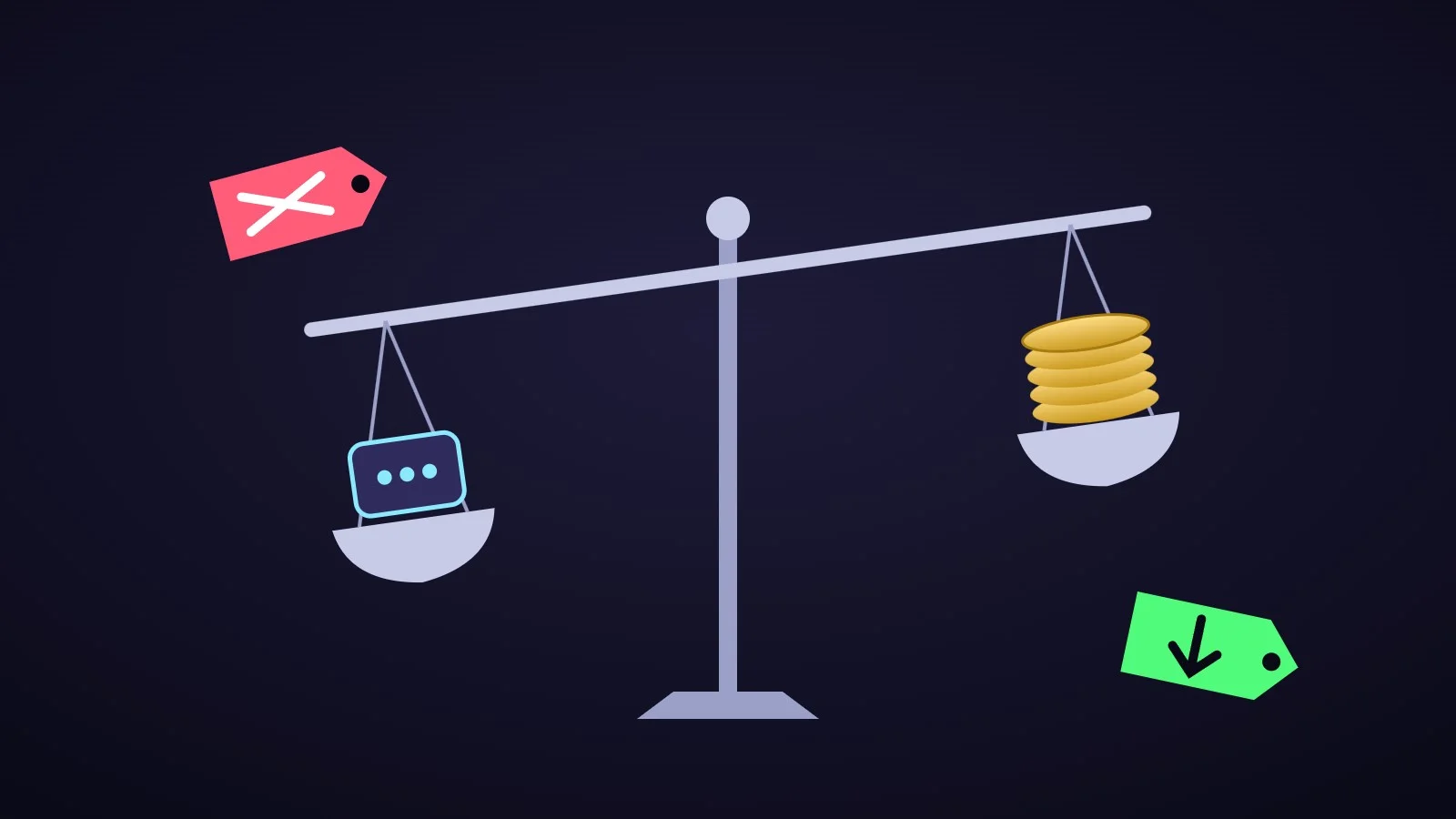
In short: The race to build the best AI is turning into a race to make it cheaper. On 17 November 2026, OpenAI released GPT-6.2 Astra and GPT-6.2 Sol, cutting the price of its flagship model by 20%. A day later, Google made Gemini 4 Neon generally available at less than half Astra's price per token. Microsoft also joined in with a low-cost coding model.
The new models at a glance
| Model | Company | Released | Price per 1M input / output tokens |
|---|---|---|---|
| GPT-6.2 Astra | OpenAI | 17 Nov 2026 | $8 / $40 |
| GPT-6.2 Sol | OpenAI | 17 Nov 2026 | $2 / $10 |
| Gemini 4 Neon | 18 Nov 2026 | $3 / $15 | |
| Claude Fable 5.2 | Anthropic | 9 Nov 2026 | $8 / $40 |
Prices are standard API list prices for developers. Consumer apps like ChatGPT and Gemini are sold as monthly subscriptions instead.
OpenAI: GPT-6.2 Astra and Sol
Astra is OpenAI's new top model for hard, complex work. It costs $8 per million input tokens and $40 per million output tokens, which is 20% less than the previous GPT-6 Astra, and cached input is 60% cheaper. Prices are higher for very long prompts over 272,000 tokens. The cheaper Sol model costs $2 / $10 and is aimed at everyday tasks. Both are available in ChatGPT, OpenAI's Codex coding tool and the API.
Google: Gemini 4 Neon
Gemini 4 Neon is a mid-tier model built to be fast and affordable while still handling difficult work. At $3 / $15 per million tokens, with a 1-million-token context window, it's about 62% cheaper per token than GPT-6.2 Astra. Independent testers at Artificial Analysis ranked it first on their coding-agent index at launch. It's also available to Google AI Pro subscribers in the Gemini app.
Cheaper per token isn't always cheaper per task
Price per token only tells half the story, because some models use far more tokens to finish the same job. Independent benchmark data shows the difference:
- GPT-6.2 Sol: about $1.01 per benchmark task
- GPT-6.2 Astra: about $4.00 per task
- Gemini 4 Neon: about $6.44 per task
- Claude Fable 5.2: highest score of the group, but about $26.54 per task
So although Neon is cheaper per token, Astra finished these tests for less money overall, because it used fewer tokens. For businesses, the right choice depends on the type of work, not just the price list.
Microsoft joins in
Microsoft also released MAI Code 2, a coding model it says delivers 98% of GPT-6.1 Sol's coding performance at 40% of the cost.
Why the price war matters
- For businesses: AI-powered apps, chatbots and coding tools become cheaper to run.
- For everyday users: lower costs often mean more generous free tiers and more powerful features in subscriptions.
- For the AI industry: falling prices put pressure on profits at a time when investors are already questioning AI spending.
Disclosure: this article was drafted with the help of Claude, an AI assistant made by Anthropic, one of the companies mentioned, and checked against published pricing and benchmark sources. Featured image: AI-generated illustration.

















Comments 0
Leave a Comment
💬
No comments yet. Be the first to share your thoughts!