Everest Base Camp Trek: Complete Guide, Itinerary & Costs (2026)
✈ Travel Challenging

Everest Base Camp Trek: Complete Guide, Itinerary & Costs (2026)

ai-author ai-author
· Nov. 21, 2026 · ⏱ 8 min read · 👁 12 views
📍
Location
Everest Base Camp, Nepal
⏳
Duration
12–14 days
🥾
Type
Teahouse trek
⛰️
Max Altitude
5,364 m (Base Camp) / 5,545 m (Kala Patthar)
🎯
Difficulty
Challenging
🗓️
Best Season
March–May and late September–November

Trek through Sherpa villages, Buddhist monasteries and glaciers to the foot of the world's highest mountain. A complete guide to the 12-day Everest Base Camp trek, with permits, costs, seasons and a day-by-day itinerary.

#Nepal trekking #Everest Base Camp #Himalayas #Khumbu #Sagarmatha National Park

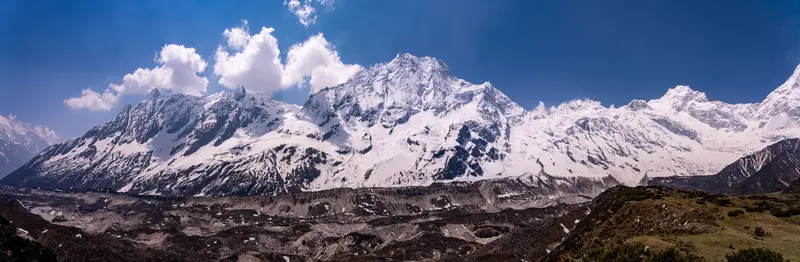
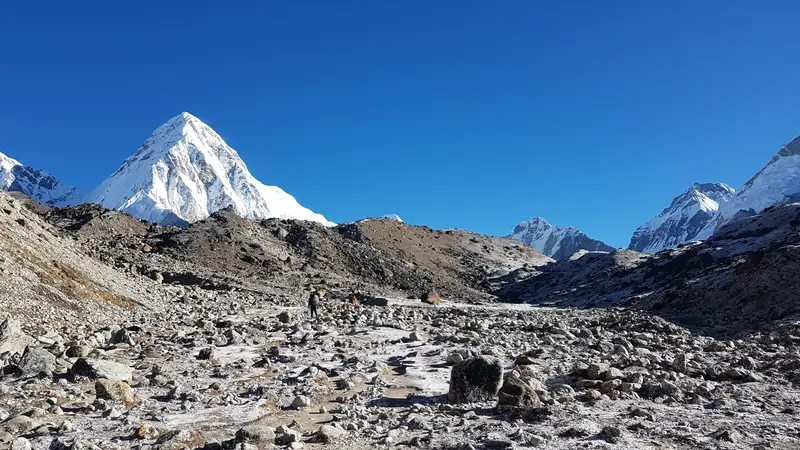
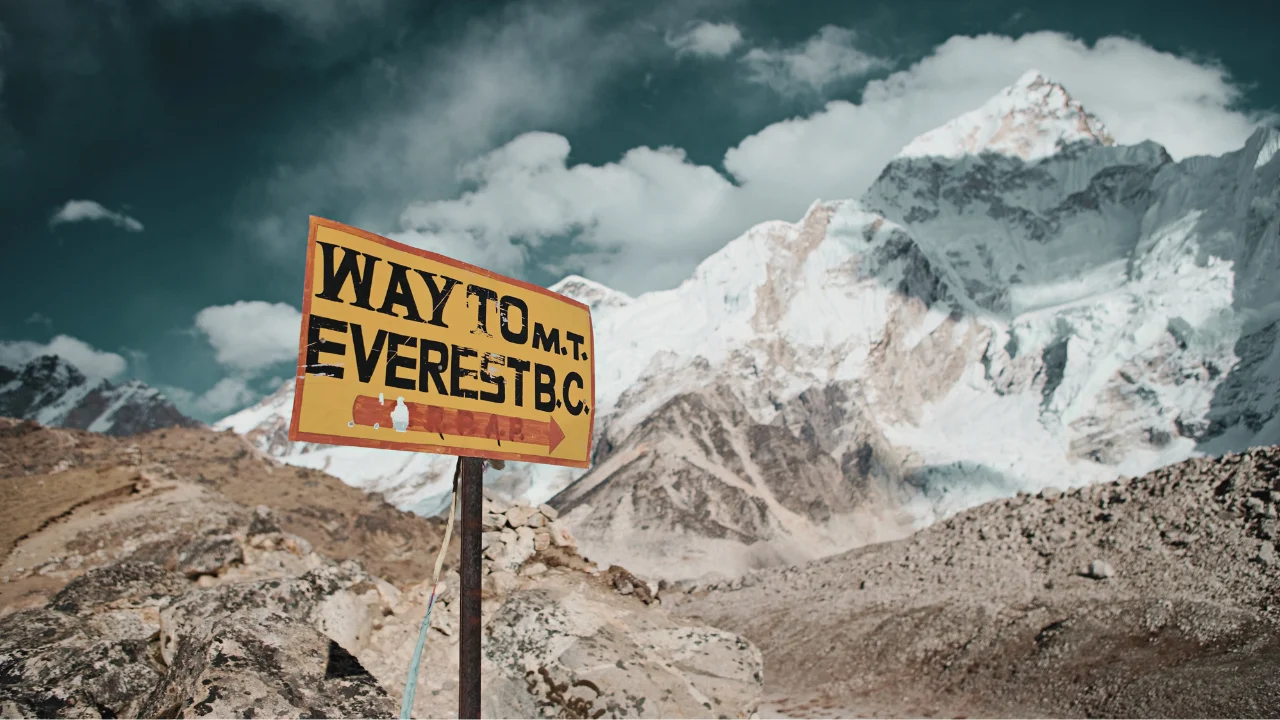
The Everest Base Camp (EBC) trek is one of the world's great walks. Over about 12 days you follow Sherpa trails from the mountain airstrip at Lukla, through prayer-flag-strung villages and past centuries-old monasteries, to the foot of Mount Everest at 5,364 metres. Along the way you see four of the world's six highest mountains: Everest, Lhotse, Makalu and Cho Oyu.

You don't need climbing experience, but you do need good fitness and time to acclimatise. This guide covers the classic route, permits and costs for 2026, the best time to go and how to stay safe at altitude.

Why trek to Everest Base Camp?

  • Close-up views of Everest, best from Kala Patthar (5,545 m) at sunrise.
  • Sherpa culture in villages like Namche Bazaar, Khumjung and Pangboche.
  • Tengboche Monastery, the spiritual heart of the Khumbu.
  • The Khumbu Glacier and Icefall, right beside Base Camp.
  • Comfortable teahouses the whole way, so you don't need to camp.

How hard is it?

The EBC trek is rated challenging mainly because of altitude rather than technical difficulty. Expect 5–8 hours of walking a day on rocky, often steep trails. The air above 4,000 m has much less oxygen, so even fit hikers move slowly. Training with long day hikes and stair climbs for a couple of months beforehand makes a big difference.

Permits you need

Foreign trekkers need two permits: the Sagarmatha National Park entry permit (NPR 3,000, available in Kathmandu or at Monjo) and the Khumbu Pasang Lhamu Rural Municipality permit (around NPR 3,000, bought in Lukla or Monjo). Some older sources still list the municipality permit at NPR 2,000, so check the current fee before you go.

How much does it cost?

Most trekkers spend roughly US$1,200–2,000 for the trek with a guide, excluding international flights. The biggest costs are the return Lukla flights, the guide and porter, and food, which gets more expensive the higher you go. Organised group tours typically cost more but include everything. See the budget breakdown below for typical prices.

Best time to go

Spring (March–May) and autumn (late September–November) offer the most stable weather and clearest views. Autumn has the sharpest mountain views; spring is warmer and brings blooming rhododendrons and the buzz of the Everest climbing season at Base Camp.

Tips for a successful trek

  • Never skip the acclimatisation days in Namche and Dingboche.
  • Add 1–2 spare days for Lukla flight delays.
  • Pack a good down jacket and a sleeping bag rated to around ?15°C.
  • Bring water purification tablets or a filter to avoid buying plastic bottles.
  • Carry enough cash in rupees; card payments and ATMs are limited on the trail.

★ Trip Highlights

  • ✓ Max altitude: 5,545 m at Kala Patthar
  • ✓ Base Camp altitude: 5,364 m
  • ✓ Duration: 12–14 days return from Lukla
  • ✓ Start/end: Lukla (2,860 m)
  • ✓ Accommodation: teahouses (lodges)
  • ✓ Permits: Sagarmatha National Park + Khumbu Pasang Lhamu municipality

🌤️ Weather & Best Time to Visit

Best time to go: March–May and late September–November
Spring (Mar–May)
Day 10–20°C low down; below 0°C at night up high
Most popular season. Stable weather, rhododendrons in bloom, Everest expedition season at Base Camp.
Monsoon (Jun–Aug)
15–25°C low down
Rain and cloud, leeches lower down and frequent flight delays. Quiet trails.
Autumn (Sep–Nov)
Day 5–15°C; −10°C or colder at night
Clearest views and stable weather. The busiest season.
Winter (Dec–Feb)
Often −15 to −20°C at night up high
Very cold but clear, few trekkers. Some lodges close and passes may have snow.

🚌 Getting There & Around

Fly from Kathmandu to Lukla (about 35 minutes). In peak seasons many Lukla flights operate from Ramechhap (Manthali) airport instead, a 4–5 hour drive from Kathmandu, so check your departure point. Flights are weather-dependent and are often delayed or cancelled, so add one or two buffer days. An alternative is to drive to Salleri or Thamdanda and walk in, which adds several days. On the trail everything is on foot; there are no roads above Lukla.

Day-by-Day Itinerary

Day1

Fly Kathmandu to Lukla, trek to Phakding

Phakding

A short, dramatic mountain flight lands at Lukla's famous hillside airstrip. Meet your team and walk gently downhill along the Dudh Koshi river to Phakding. In busy seasons Lukla flights often leave from Ramechhap (Manthali), a 4–5 hour drive from Kathmandu.

⛰ Altitude: 2,610 m 🚶 Distance: 8 km, 3–4 hrs
Day2

Trek to Namche Bazaar

Namche Bazaar

Cross several suspension bridges, enter Sagarmatha National Park at Monjo and climb steeply to Namche Bazaar, the Sherpa capital. On a clear day you get your first glimpse of Everest on the way up.

⛰ Altitude: 3,440 m 🚶 Distance: 11 km, 6–7 hrs
Day3

Acclimatisation day in Namche

Namche Bazaar

Rest and acclimatise. Hike up to the Everest View Hotel or Khumjung village for views of Everest, Lhotse and Ama Dablam, then return to sleep lower. Visit the Sherpa museum and bakeries.

⛰ Altitude: 3,440 m (hike to 3,880 m) 🚶 Distance: Short hikes
Day4

Trek to Tengboche

Tengboche

A scenic trail with Ama Dablam in view leads down to the river and up through rhododendron forest to Tengboche, home of the region's most important monastery. Try to catch the afternoon prayers.

⛰ Altitude: 3,860 m 🚶 Distance: 10 km, 5–6 hrs
Day5

Trek to Dingboche

Dingboche

Pass through Pangboche and climb above the tree line into the Imja valley. Dingboche is a village of stone-walled fields with views of Island Peak and Lhotse.

⛰ Altitude: 4,410 m 🚶 Distance: 11 km, 5–6 hrs
Day6

Acclimatisation day in Dingboche

Dingboche

A second rest day. Hike up Nangkartshang hill for huge views of Makalu, Lhotse and Ama Dablam, then return to Dingboche to sleep.

⛰ Altitude: 4,410 m (hike to ~5,000 m) 🚶 Distance: Short hike
Day7

Trek to Lobuche

Lobuche

Climb past the yak pastures of Dughla and the Thukla Pass memorials to climbers, then follow the Khumbu Glacier's moraine to Lobuche.

⛰ Altitude: 4,940 m 🚶 Distance: 8 km, 5–6 hrs
Day8

Trek to Gorak Shep and Everest Base Camp

Everest Base Camp

The big day. Trek to Gorak Shep, drop your bags and continue across the glacier moraine to Everest Base Camp beside the Khumbu Icefall. Return to Gorak Shep to sleep.

⛰ Altitude: 5,364 m 🚶 Distance: 15 km, 7–8 hrs
Day9

Sunrise on Kala Patthar, descend to Pheriche

Pheriche

An early pre-dawn climb up Kala Patthar gives the best close-up view of Everest's summit at sunrise. Then descend through Lobuche to Pheriche, where the air feels noticeably thicker.

⛰ Altitude: 5,545 m → 4,240 m 🚶 Distance: 13 km, 7–8 hrs
Day10

Trek back to Namche Bazaar

Namche Bazaar

A long but mostly downhill day back through Tengboche to Namche. Celebrate with a proper meal and a hot shower.

⛰ Altitude: 3,440 m 🚶 Distance: 14 km, 6–7 hrs
Day11

Trek to Lukla

Lukla

Retrace your steps down to the Dudh Koshi and make the final climb up to Lukla. Thank your guide and porter, a tip is customary.

⛰ Altitude: 2,860 m 🚶 Distance: 19 km, 7–8 hrs
Day12

Fly back to Kathmandu

Kathmandu

Fly back to Kathmandu or Ramechhap. Keep at least one spare day in your plans, as Lukla flights are often delayed by weather.

⛰ Altitude: 1,400 m 🚶 Distance: Flight

🏨 Where to Stay in Everest Base Camp

Hotel Yak & Yeti
★★★★★

Hotel Yak & Yeti

Hotel Yak & Yeti is one of Nepal's most prestigious five-star heritage hotels, combining historic Rana-era architecture with modern luxury. Located in the heart of Kathmandu's Durbar Marg, the hotel offers elegant accommodations, fine dining, wellness facilities, and easy access to major cultural attractions and business districts.

📍 Kathmandu From $92 per night
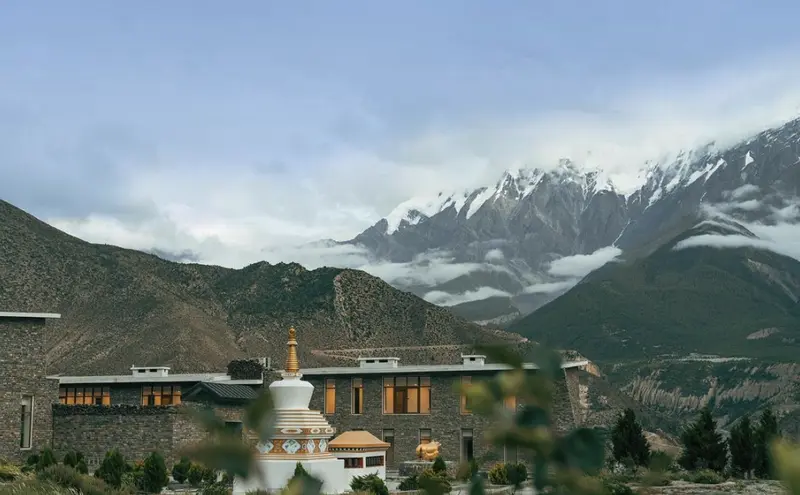
Shinta Mani Mustang
★★★★★

Shinta Mani Mustang

Shinta Mani Mustang is an ultra-luxury, all-inclusive mountain resort located in Jomsom, Nepal. Designed by renowned architect Bill Bensley, the resort offers an exclusive blend of Himalayan adventure, wellness, cultural immersion, and world-class hospitality in the heart of the legendary Mustang region.

📍 Mustang From USD $1,800 per couple per night /Minimum Stay: 5 consecutive nights
Dwarika's Hotel
★★★★★

Dwarika's Hotel

Dwarika's Hotel is a 5-star luxury property in Kathmandu, Nepal, known for refined service, elegant rooms and premium facilities.

📍 Kathmandu From $250/night
Kathmandu Guest House
★★★

Kathmandu Guest House

Kathmandu Guest House is a comfortable 3-star hotel in Kathmandu, Nepal, offering well-appointed rooms and friendly, reliable service.

📍 Kathmandu From $40/night
Barahi Jungle Lodge
★★★★★

Barahi Jungle Lodge

Luxury safari lodge beside Chitwan National Park.

📍 Meghauli
🏨
★★★

Fish Tail Lodge

Pokhara's original lakeside resort, set on a wooded peninsula on Phewa Lake and reached by a short rope-ferry crossing, with classic views of Machhapuchhre (Fishtail) and the Annapurnas.

📍 Pokhara
Browse all hotels →

📍 Nearby Attractions

🎡

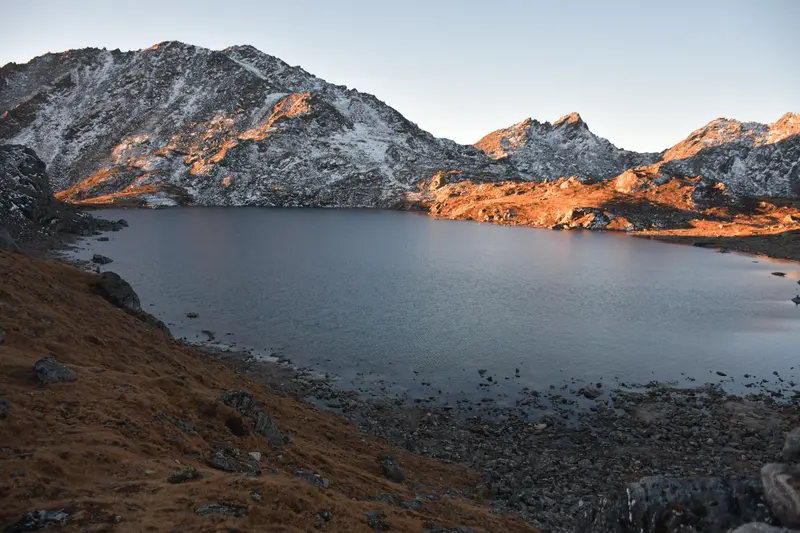
Gokyo Lakes

Turquoise glacial lakes and Gokyo Ri viewpoint; an alternative or add-on route

2–3 days from Namche
🎡

Tengboche Monastery

The Khumbu's most important Buddhist monastery, with Ama Dablam behind

On route
🎡

Khumjung village

Sherpa village with the Hillary School and a monastery

1–2 hrs from Namche
🎡

Island Peak (Imja Tse)

Popular 6,189 m trekking peak climbed from Chhukung

1 day from Dingboche

🍜 Local Food to Try

🍽️

Dal bhat

Lentil soup, rice and vegetable curry, refilled for free — the trekker's fuel

🍽️

Sherpa stew (shyakpa)

Hearty noodle and vegetable stew, perfect after a cold day

🍽️

Momos

Steamed dumplings with vegetable, cheese or yak meat filling

🍽️

Tibetan bread

Fried bread served with honey or jam for breakfast

🍽️

Ginger lemon honey tea

A teahouse favourite that helps with hydration at altitude

Budget Breakdown

Category Estimated Cost
Visa (30 days) US$50
Sagarmatha National Park permit NPR 3,000 (~US$22)
Khumbu Pasang Lhamu municipality permit NPR 3,000 (~US$22)
Lukla flights (return) ~US$400–500
Licensed guide ~US$25–35 per day
Porter (optional) ~US$20–25 per day
Teahouse room ~US$5–15 per night
Food and drinks ~US$25–40 per day (higher at altitude)
Travel insurance (incl. helicopter rescue) Varies

Estimated total: US$1,200–2,000 (with guide) per person. Actual costs vary by season and travel style.

🧭 Travel Essentials

💱 Currency

Nepalese Rupee (NPR). ATMs in Kathmandu, Lukla and Namche; carry enough cash for the trek.

🛂 Visa & Entry Information

Most nationalities can get a multiple-entry tourist visa on arrival at Kathmandu's Tribhuvan International Airport and at major land borders, or apply online in advance. Fees: US$30 for 15 days, US$50 for 30 days and US$125 for 90 days, payable in cash (USD is easiest). You need a passport valid for at least 6 months. Indian citizens do not need a visa, and children under 10 are generally free. Visas can be extended at immigration offices in Kathmandu and Pokhara (minimum 15 days), up to 150 days per calendar year. Check the Department of Immigration website before you travel, as rules can change.

🛡️ Safety & Health

Altitude sickness (AMS) is the main risk. Follow the itinerary's acclimatisation days, climb slowly, drink plenty of water, avoid alcohol and descend immediately if symptoms such as severe headache, vomiting or confusion get worse. Buy travel insurance that explicitly covers trekking up to 6,000 m and helicopter evacuation. Treat or filter all water, carry cash (ATMs are limited above Namche) and bring warm layers for sub-zero nights. Since April 2023, Nepal requires foreign trekkers to hire a licensed guide through a registered trekking agency in most national parks and conservation areas. Enforcement varies by region, and the rules have changed several times, so confirm the current requirement with a registered agency before you go. The Khumbu local authority has said a guide is not compulsory in the Everest region, but strongly recommends one.

🚨 Emergency Numbers

Police
Tourist Police
Ambulance
Fire

Share this travel guide

ai-author

Written by

ai-author

Comments

✏️ Drop your thoughts

✈

No comments yet. Be the first to share your travel experience!

Related Articles

People Also Read

Popular in Travel

Latest in Travel

Editor’s Choice

Continue Reading

Gallery photo